Ear Plugs
Earplugs are small devices designed to be inserted into the ear canal to protect the wearer's hearing from loud noises or to prevent water, dust, or foreign bodies from entering. As a vital item of personal protective equipment (PPE), they are crucial in minimising hearing damage in industrial settings. To ensure effective protection, proper fit and correct wear are essential; however, they should never be used as a substitute for controlling noise at the source, but rather as a secondary protective measure.
There are many different types of earplugs available, and the type you choose depends on your personal needs and the environment you are working in.
Type of Earplugs
There is a wide variety of earplugs for different applications, including single-use, repeated-use, and easy-removal earplugs:
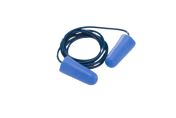
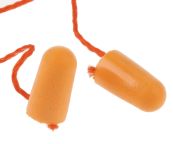
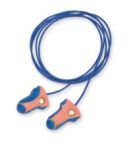
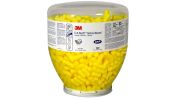
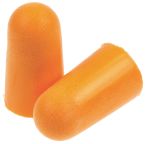
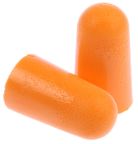
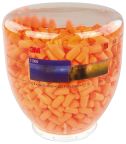
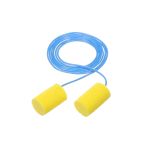
- Disposable Earplugs: Normally made from expandable, slow recovery foam, disposable earplugs combine effective protection with comfort and are designed to be thrown away after a single use. Available as individual earplugs or as a corded pair, they are meant to be slowly rolled and compressed into a thin cylinder before being inserted into the ear canal.
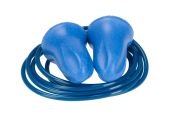
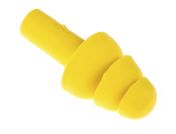
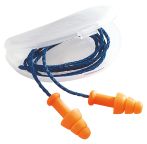
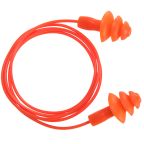
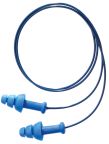
- Reusable Earplugs: Constructed from a flexible material like silicone, vinyl, or rubber that is perforated to fit the ear canal, these non-disposable earplugs are comfortable and hygienic for repeated use. To insert reusable earplugs, reach around the back of your head and pull the ear outwards. Then place them into the ear until a seal is felt. Replace reusable earplugs when they harden, shrink, or tear, and keep them clean by washing in warm soapy water, rinsing, and allowing them to dry fully before using them again.
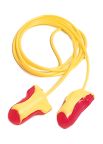
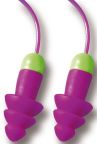
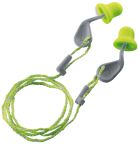
- Banded Earplugs: Banded earplugs can be quickly removed and hung around your neck for safekeeping, making them an easy-to-use option for intermittent use. To insert, hold the large ends of the pods, swivel them to direct them into the ear canal, and push or wiggle them until a comfortable fit and seal is achieved.
When Should You Wear Earplugs
Industrial safety earplugs should be worn whenever noise levels in the workplace exceed safe exposure limits, typically around 80 dB(A) or higher, to protect against hearing loss and auditory fatigue. Ear plugs help reduce harmful noise while maintaining comfort and focus during prolonged exposure. However, do not use earplugs to completely block all noise for health and safety reasons, as you may not hear crucial alarms, warning signals, or verbal instructions. The goal is to achieve a balance between effective hearing protection and situational awareness to ensure both safety and communication in the workplace.
How Earplugs Protect Your Hearing
Earplugs protect your hearing from permanent damage and reduce noise-related stress by acting as a physical barrier that blocks or reduces the intensity of sound waves reaching the eardrum. The fundamental mechanism involves the plug creating an acoustic seal within the ear canal, which attenuates (reduces) the sound pressure level before it impacts the sensitive inner ear structures. The measured level of sound reduction achieved is known as the Noise Reduction Rating (NRR) or Single Number Rating (SNR) in Europe, with a higher NRR or SNR rating corresponding to a greater reduction in sound intensity and thus, increased hearing protection.
For maximum protection, earplugs must be properly inserted to form a complete seal, as poor insertion significantly reduces their effectiveness. Always ensure cleanliness when using plugs (especially reusable types) to maintain their effectiveness and prevent ear infections.
Disposable vs Reusable Ear Plugs
Disposable and reusable earplugs differ in numerous ways, including their materials, lifespan, hygiene protocols, and long-term cost effectiveness for industrial applications.
- Material and Design Differences: Disposable plugs are typically made of soft, compressible foam that expands to fill the ear canal, while industrial reusable earplugs often use pre-moulded silicone, vinyl, or rubber with a rigid stem for easy insertion.
- Usage Scenarios: Disposable earplugs are preferred in dirty environments where discarding them after a single use is essential for hygiene. Reusable earplugs are suitable for routine, daily use in cleaner environments where they can be regularly washed.
- Noise Reduction & Performance: When inserted correctly, both types of protective earplugs offer comparable noise reduction; however, foam disposable plugs often achieve a slightly higher initial NRR due to their ability to conform tightly to the ear canal.
- Cost: Disposable earplugs have a lower earplug price per unit, but the long-term cost of reusable earplugs is often lower due to their lifespan.
- Hygiene & Maintenance: Disposable plugs offer the highest level of hygiene. Reusable plugs require diligent cleaning and drying after each use to prevent bacterial growth.
- Comfort and Fit: Foam disposable plugs offer excellent, customised comfort as they expand to the individual ear shape, while pre-moulded reusable plugs rely on getting the correct size and fit initially.
Choosing Earplugs for Different Environments
Selecting the right hearing protection is a crucial safety decision, requiring a match between the product's features and the demands of the workplace. The correct choice ensures maximum protection and user comfort without compromising other safety measures.
- Compatibility with other PPE: The earplugs must be compatible with other required PPE, such as safety helmets, protective eyewear, or respirators, without compromising the seal of either item.
- Disposable vs Reusable based on environment: For construction sites or dusty areas, disposable foam plugs are highly recommended. For repeated, long shifts in clean factory settings, reusable earplugs are a more practical choice.
- Purpose: For intermittent noise exposure, banded plugs are convenient. For continuous work in a high-noise environment, corded earplugs are preferred as they stay secure when removed momentarily.
- Type of Material: Consider non-allergenic materials like silicone or vinyl if the user has sensitivities.
- Noise Level: Always choose noise reduction earplugs with an NRR/SNR rating appropriate for the measured decibel level of the specific workplace noise.
Standards and Certification of Earplugs
Industrial earplugs should comply with standards such as EN 352-2 (Earplugs) which details requirements for design, construction, and performance, including sound attenuation measured per EN 24869-1. Compliance ensures hearing protectors are safe, effective, non-irritating, correctly sized for workers. Additionally, some earplugs also meet VDE standards for electrical safety, making them suitable for use near live circuits.
Industrial Applications of Ear Plugs
Industrial earplugs are a mandatory safety component across numerous sectors in Malaysia:
- Construction: These devices are essential for shielding workers from the high-decibel noise generated by power tools, heavy machinery, and demolition work.
- Manufacturing: Earplugs are required in production environments, particularly near stamping, welding, machining, and assembly areas.
- Mining: Due to the sustained and loud noise of drilling, blasting, and heavy vehicle operation, hearing protection is vital in the mining industry.
- Oil and Gas: Earplugs are utilised on rigs and at refineries to mitigate noise from compressors, pumps, and drilling equipment.
- Transportation: For personnel involved in aircraft ground handling, heavy vehicle maintenance, and railway operations, these devices are necessary to prevent hearing damage.
- Agriculture: Earplugs are used by workers operating loud farm machinery such as tractors, harvesters, and irrigation pumps.
- Metalworking: Hearing protection is critical against the intense, sharp noise produced by grinding, cutting, and shaping metals.
Shop Ear Plugs from RS Malaysia
RS Malaysia is your reliable supplier of high-quality industrial earplugs and other PPE equipment. We offer a comprehensive selection of earplugs from leading brands like 3M,Honeywell, and RS PRO, and offer fast, nationwide delivery to ensure your workplace is safe and compliant. For detailed information on our delivery services, please visit our Delivery page.



Popular Searches
Related links
- 3M 3M 1100 Series Orange Disposable Ear Plugs, 35 dB Rated 100
- Portwest EP04O Series Orange Reusable Ear Plugs 50
- 3M 7000089404 Series Yellow Reusable Ear Plugs, 23 dB Rated 50
- uvex Whisper Series Reusable Ear Plugs, 30 dB Rated 50
- Coverguard 30213 Series Yellow Reusable Ear Plugs, 30 dB Rated 50
- Moldex 7859 Series Blue Reusable Ear Plugs, 32 dB Rated Metal Detectable 500
- uvex Uvex Series Blue Reusable Ear Plugs, 27 dB Rated 50
- uvex Whisper Series Orange Reusable Ear Plugs, 23 dB Rated 50