Gas Detectors
Industrial gas detection systems are fundamental components of facility safety, providing critical monitoring for hazardous leaks, oxygen depletion, and toxic emissions. Often referred to as gas analysers, gas meters, or gas leak detectors, these systems utilise a specialised gas leak sensor to identify volatile compounds before they reach dangerous concentrations.
As a leading gas detector supplier in Malaysia, RS provides a comprehensive range of detection technologies, including fixed units and personal gas detectors, designed to ensure rigorous environmental and occupational safety compliance.
Why Would You Need a Gas Detector?
In industrial environments, a gas detector provides the early identification of toxic or flammable leaks to prevent acute poisoning, fires, and catastrophic explosions. These units are essential for ensuring worker safety in high-risk zones, particularly in confined spaces where oxygen levels may drop or toxic gases can accumulate rapidly. Robust detection protocols prevent extensive property damage and catastrophic accidents resulting from undetected atmospheric changes.
The deployment of a personal gas monitor is often a mandatory requirement for regulatory compliance and adhering to DOSH safety standards. These devices provide continuous air quality monitoring for hazardous substances like Carbon Monoxide (CO) and Hydrogen Sulphide (H₂S), enabling rapid evacuation and coordinated emergency responses during a threshold breach.
By providing real-time alerts, gas detection units support proactive maintenance, allowing technicians to address minor leaks before they escalate into major incidents. This oversight reduces operational downtime and associated costs while simultaneously protecting the environment from harmful gas emissions.
Gas Leak Detectors and CO2 Alarms
Specialised gas leak detectors are engineered to monitor pipelines, storage tanks, and enclosed systems to identify potential leakage points for immediate remedial action. When selecting a gas leak detector in Malaysia, it is vital to choose equipment capable of surviving specific environmental stressors while maintaining high sensitivity.
Carbon Dioxide (CO₂) alarms are equally vital in laboratories and confined areas where CO₂ is an asphyxiant that displaces oxygen, alerting occupants well before life-threatening levels are reached.
How Do Gas Leak Detectors or Gas Leak Sensors Work?
A gas detection unit contains an internal gas leak sensor that continuously quantifies specific gas concentrations in the ambient atmosphere. These sensors use various chemical or physical properties to detect molecules; when measured levels exceed pre-set safety thresholds, the device initiates an alarm sequence. Alerts typically include high-decibel audible signals, high-intensity visual strobes, or both. In many facilities, the sensor is integrated into building management systems, sending automated signals to operations departments to facilitate facility-wide safety protocols.
What Do They Detect?
Detection systems are categorised by the specific gases identified or the underlying sensor technology employed. Gas detector portable units often feature multi-gas capabilities to monitor several threats simultaneously. Key technologies include:
- Catalytic and Infrared Sensors: Primarily utilised for the detection of combustible or flammable gases in explosive atmospheres.
- Electrochemical Sensors: Commonly used for toxic gases, offering high sensitivity and selectivity at low parts-per-million (ppm) levels.
- Metal Oxide Semiconductor (MOS) Sensors: Used for detecting a range of gases, though typically less selective and more suited for general-purpose monitoring.
Commonly detected industrial gases include:
- Carbon Monoxide
- Chlorine
- Carbon Dioxide
- Ammonia
- Hydrogen Sulphide
- Methane
- Nitrogen Dioxide
- Butane Gas
- Natural Gas
How Do I Maintain My Gas Detector?
Maintaining a personal gas monitor is vital for ensuring sensor reliability and response speed. For any portable gas detector used in Malaysia, maintenance must include:
- Bump Testing: Perform a functional "bump test" before using the gas detector or according to site safety procedures. This involves briefly exposing the sensors to a known concentration of gas to ensure the sensors respond and the alarms (audible and visual) activate correctly.
- Calibration: Calibrate the gas detector at regular intervals (commonly every 6–12 months or as specified by the manufacturer) to compensate for sensor drift and maintain accuracy. Full calibration must also be performed immediately after sensor replacement, exposure to high gas concentrations, or any physical incident (e.g., drops or impacts) that could affect sensor integrity.
- Physical Inspection: Regularly check for housing damage and clean sensor inlets to prevent blockage from dust or contaminants.
- Power Management: Batteries must be checked and fully charged before use to ensure uninterrupted operation.
- Sensor Replacement: Sensors have finite lifespans and may require replacement typically within 1–5 years depending on sensor type and exposure conditions.
- Documentation: Maintenance, calibration, and testing records should be documented to support compliance and audit requirements.
Are There Any Certifications to Be Aware Of?
When evaluating a gas detector, it is important to consider relevant safety certifications and regulatory requirements, particularly for hazardous area applications. Key certifications and standards include:
- ATEX (Atmosphères Explosibles): ATEX is a European regulatory framework based on two EU directives for workplace safety: Directive 2014/34/EU (equipment) and Directive 99/92/EC. While compliance is a mandatory requirement for equipment used in explosive atmospheres within the EU, and ATEX-certified products are trusted globally, ATEX certification itself is not a legal requirement in Malaysia.
- IECEx (IEC System for Certification to Standards Relating to Equipment for Use in Explosive Atmospheres): IECEx is an international certification scheme based on the IEC 60079 standards for equipment used in explosive atmospheres. It is widely accepted across Asia-Pacific and global industrial projects, including Malaysia, particularly where international compliance or project specifications apply. Many products are dual-certified to both ATEX and IECEx standards.
- DOSH (Department of Occupational Safety and Health) Malaysia: Gas detectors used in Malaysian workplaces must comply with local occupational safety regulations enforced by DOSH. DOSH does not issue product certifications for gas detectors, but employers are required to ensure that detection equipment is suitable for the workplace hazards present and properly maintained. For confined space entry, the Industry Code of Practice (ICOP) 2010 sets out specific requirements, including pre-entry and continuous atmospheric testing carried out by a certified Authorised Gas Tester (AGT). In practice, a "DOSH compliant" gas detector is one that meets the fitness-for-purpose, accuracy, and calibration expectations of OSHA 1994 and ICOP 2010.
- SIRIM (Standards and Industrial Research Institute of Malaysia): SIRIM, through its certification arm SIRIM QAS International, is Malaysia's national product certification body. SIRIM can certify products against Malaysian Standards, including the MS IEC 60079 series, providing locally recognised conformity assurance. A SIRIM mark on a gas detector signals conformity with Malaysian Standards and can support local procurement requirements.
Industrial Applications of Gas Detectors
Gas detection technology is utilised across various heavy industries to mitigate chemical risks:
- The Oil and Gas, Petrochemical, and Mining sectors rely on detectors to monitor hydrocarbons and prevent methane-related explosions.
- Wastewater Treatment facilities use sensors to detect hydrogen sulphide (H₂S) and methane generated during biological processes.
- Semiconductor and Metallurgy industries require detection for specialised process gases and toxic emissions.
- Agriculture and the Food and Beverage sector use monitors for ammonia in refrigeration systems and CO₂ levels in storage and processing environments.
How to Select the Right Gas Detector
Selecting the appropriate gas detector requires matching the device's capabilities to the specific hazards, environment, and regulatory requirements of the application.
- Gas Type and Detection Range: Select a detector calibrated for the specific gas or gases present, ensuring the measurement range aligns with expected concentration levels and occupational exposure limits.
- Sensor Technology: Choose the appropriate sensing method (e.g. electrochemical, infrared, catalytic bead) based on gas type, sensitivity, and environmental conditions. For example, catalytic bead sensors are cost-effective for combustible gases but can be poisoned by silicones, sulfur compounds, and chlorinated solvents. In such environments, infrared (IR) sensors are preferred.
- Portable or Fixed Systems: Portable units are suitable for personal safety and inspections, while fixed systems provide continuous area monitoring and integrate with existing safety control systems.
- Response Time (T90): Faster response times are critical in hazardous environments to ensure timely alerts and reduce exposure risks.
- Ingress Protection (IP Rating): In Malaysia's tropical climate, gas detectors should carry an appropriate IP rating (e.g., IP65 or higher) to withstand humidity, dust, and potential water ingress that could compromise sensor performance or device longevity.
The Leading Supplier and Distributor of Gas Detectors in Malaysia
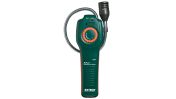
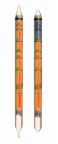
RS is your trusted source for high-precision gas detection units in Malaysia. We stock a comprehensive range from industry leaders like MSA Safety, Draeger, and Extech. Our selection includes diverse sensor types and detection capacities at competitive prices, ensuring you find the ideal monitoring solution for your application.
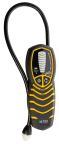
We also supply other critical safety components, such as sounder beacons and air quality monitors, to optimise your setups. Buy your portable gas detector, fixed monitoring station, personal gas monitor, and other hardware online today. For more details on our ordering process, delivery services, and delivery fees, please refer to our delivery page.




Popular Searches
Related links
- Gas Detection Accessories
- DRAEGER Gas Detectors
- A Complete Guide to Gas Detectors
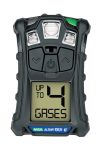
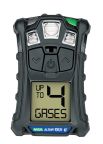
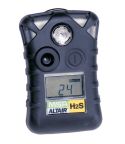
- MSA Safety 10071361 ALTAIR Gas Detector Gas Detector for H10, Hydrogen Sulphide Detection Audible Alarm
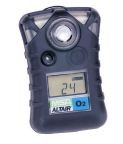
- MSA Safety 10071364 ALTAIR Gas Detector Gas Detector for Oxygen, H18% Detection Audible Alarm
- MSA Safety 10071334 ALTAIR Gas Detector Gas Detector for Carbon Monoxide, H60 Detection Audible Alarm
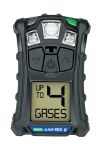
- MSA Safety 10178570 ALTAIR 4XR Gas Detector Gas Detector for Carbon Monoxide Oxygen, LEL (Pentane) Detection
- MSA Safety Altair io4 Gas Detector Gas Detector for Methane Carbon Monoxide FCC