Hard Hats
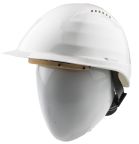
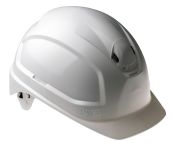
Hard hats, also known as safety helmets, are essential pieces of personal protective equipment (PPE) designed to protect the head from a variety of workplace hazards. They provide critical protection against falling objects, impact from other hazards, and electrical shock. Hard hats are mandatory in many environments, from construction sites and roofing to forestry and offshore industries in Malaysia. By wearing a properly fitted industrial safety helmet, you can significantly reduce the risk of serious head injuries and comply with legal safety requirements on worksites.
How Are Hard Hats Constructed?
Hard hats typically consist of a durable outer shell made from strong plastics like high-density polyethylene (HDPE) or advanced composite materials like fibreglass or fibre metal composites. These materials provide excellent impact resistance and, in some cases, enhanced heat resistance.
The key safety feature inside the hard hat is an internal suspension system, usually composed of straps and bands, which serves to absorb and distribute impact forces over a larger area of the head, significantly reducing the risk of injury. Many modern hard hats include adjustment mechanisms such as ratchet systems or pin-locks for a secure fit and some come with chin straps to keep the helmet firmly in place during strenuous tasks or in windy conditions.
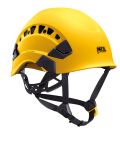
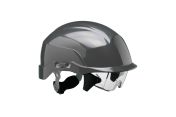
In hot and humid climates like Malaysia, vented hard hats, such as the Petzl Helmet range, help improve comfort by promoting airflow and reducing heat buildup.
Types of Hard Hats
There are two main types of hard hats. They are categorised based on the type of impact protection they provide:
- Type 1 Hard Hats: These hard hats provide impact protection specifically against objects hitting the top of the head. They are the most common type seen on construction sites.
- Type 2 Hard Hats: These hard hats provide more comprehensive protection against both top and lateral impacts, safeguarding the head from objects hitting from the above, the side, or off-centre.
Choosing the correct type depends on the specific hazards present in your work environment.
Hard Hat Classes
Besides impact protection, hard hats are classified by their level of electrical protection:
- Class E (Electrical): Provides protection against falling objects and approximately 20,000 volts of electrical exposure. Suitable for electricians or environments with high-voltage risks.
- Class G (General): Offers protection against falling objects and electrical exposure up to 2,200 volts. Commonly used in general construction and manufacturing.
- Class C (Conductive): Protects against impact but provides no electrical protection. Typically made with metal components and used in applications where electrical hazards are absent.
Always select the class based on your job’s electrical risk factors.
What Colour Do I Need?
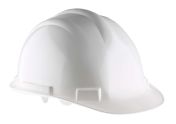
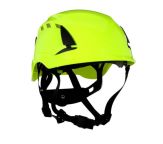
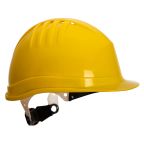
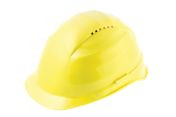
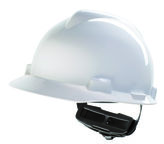
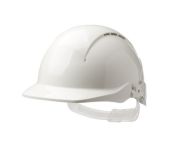
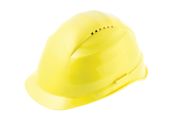
Safety helmets are available in many colours. While there is no specific legislation in Malaysia defining the colour you should use, many construction sites use colours to identify job roles. For example, yellow hard hats are often worn by general labourers and those involved in earth-moving work. White hard hats are typically used by managers, supervisors, and architects. Brown hard hats are worn by those working with equipment at high temperatures, such as welders. A high visibility hard hat is often used in low-light environments to ensure workers are easily seen.
How Often Should I Replace My Hard Hat?
You must replace a hard hat immediately if it shows any damage such as cracks, dents, or if the suspension system is compromised. Even if it isn't damaged, hard hats should be replaced periodically because wear from exposure to sunlight, chemicals, and general use can degrade their protective qualities.
Most manufacturers recommend replacing hard hats every two to five years, depending on the model and usage conditions. Always check the manufacturer's expiry date of your PPE and follow their guidance to ensure optimal protection.
How to Properly Fit and Adjust Your Hard Hat
Properly fitting a hard hat is essential for your safety. A poorly fitted hard hat may not offer adequate protection and can be a distraction in a busy work environment. Follow these steps to ensure your hard hat is fitted correctly:
- Position: Place the hard hat squarely about 1 to 1.5 inches above your eyebrows, covering the forehead adequately without obstructing vision.
- Adjust Suspension: Adjust the internal suspension system for a snug but comfortable fit. The suspension should hold the helmet securely without causing discomfort or pressure points.
- Level Fit: Ensure the hard hat sits level on your head, without tilting forward, backward, or sideways. A level hard hat provides optimal impact protection.
- Chin Strap: For added security in high-movement or risky environments, a chin strap is recommended.
- Movement Test: Perform a movement test by shaking your head gently. The safety helmet should not shift or wobble.
Inspection and Care Tips for Hard Hats
Regular inspection and proper care are vital for maintaining the integrity and safety of your hard hat. Follow these tips to ensure your hard hat remains in good condition:
- Inspect the Shell: Check the hard hat shell for any cracks, dents, or signs of UV damage, which can compromise its structural integrity.
- Examine Suspension: Look for frayed, torn, stretched, or loose suspensions. Replace the suspension system as recommended or immediately if damaged.
- Proper Cleaning Methods: Clean the hard hat with a mild soap and warm water. Avoid using harsh chemicals or solvents, as these can weaken the plastic shell.
- Storage Tips: Store hard hats in a cool, dry place away from extreme temperatures and direct sunlight to prevent material degradation.
- Replacement Signs: Replace your hard hat immediately if you notice any signs of damage, such as cracks, dents, or if the manufacturer's expiry date has passed.
Common Hard Hat Misuse and How to Avoid It
Understanding common hard hat misuse is the first step to preventing it. To ensure your safety helmet provides maximum protection, avoid these mistakes:
- Wearing Hard Hats Incorrectly: Wearing a hard hat backward or at an angle can compromise its protective capabilities. For optimal protection, ensure the suspension is positioned correctly.
- Using Damaged or Expired Helmets: A damaged or expired hard hat may not offer adequate protection in the event of an impact. Regularly inspect your hard hat and replace it promptly if you notice any signs of damage or if the expiry date has passed.
- Unauthorised Alterations: Drilling holes, adding improper stickers, or painting a hard hat can weaken its shell and compromise its structural integrity. Avoid any unauthorised alterations to the helmet.
- Improper Storage and Handling: Hard hats should be stored and handled with care. Protect them from extreme heat, chemicals, and impact damage to maintain their structural integrity.
Proper Storage and Transportation of Hard Hats
Proper storage and transportation are crucial for maintaining the integrity and protective qualities of your hard hat. Follow these guidelines to ensure your hard hat remains in good condition:
- Store hard hats in clean, dry areas protected from dust, dirt, direct sunlight, and extreme temperatures.
- Avoid leaving hard hats in vehicles or other areas exposed to high heat or chemicals, as this can weaken the plastic shell.
- Prevent physical damage by keeping hard hats off toolboxes and rough surfaces.
- Transport hard hats securely to avoid dropping, crushing, or impact.
How Environmental Conditions Affect Hard Hat Performance
The performance of a hard hat can be affected by various environmental conditions. Understanding how these factors impact your safety helmet is crucial for ensuring your protection:
- High Temperatures: High temperatures can affect the integrity of the hard hat material and cause the helmet to lose its protective qualities.
- Ultraviolet (UV) Radiation: Prolonged exposure to UV radiation can cause the plastic shell to become brittle, compromising the hard hat's ability to protect you.
- Humidity and Moisture: The durability of the suspension system can be affected by humidity and moisture levels, causing the straps to become frayed or weakened.
- Chemical Exposure: The safety of the hard hat can be compromised when exposed to chemicals and solvents that weaken its material.
- Poor Storage: Improper environmental storage, such as in direct sunlight or in a hot vehicle, can cause the material to degrade, reducing the hard hat's lifespan.
Industrial Application of Hard Hats
Hard hats are indispensable in a wide range of industrial applications, providing critical head protection in environments where there is a risk of falling objects or impact.
- Construction Industry: Hard hats are a legal safety requirement on construction sites to protect workers from falling objects, such as power tools, materials, or debris.
- Manufacturing Industry: In manufacturing plants, industrial safety helmets are used to protect workers from head injuries caused by machinery, moving parts, or falling objects.
- Mining Industry: Miners wear hard hats to protect themselves from falling rocks, debris, and other hazards in a confined and hazardous environment.
- Oil and Gas Industry: Safety helmets are essential in the oil and gas industry to protect workers from head injuries caused by falling objects, equipment, or machinery in a high-risk environment.
- Warehousing and Logistics: Hard hats are used in warehouses and logistics facilities to prevent head injuries caused by falling boxes, materials, or equipment.
- Forestry and Logging: Falling branches, trees, or other debris can pose a serious hazard to workers in this industry. Hard hats help protect them from these dangers.
Shop Hard Hats at RS Malaysia
RS Malaysia is your trusted supplier and distributor of a wide selection of hard hats and safety helmets. We offer a comprehensive range of workplace safety products including work gloves, safety relays in addition to our hard hats from leading brands such as 3M, MSA Safety, and RS PRO, all at competitive prices.
Ordering from RS Malaysia is straightforward: simply browse our user-friendly website to filter safety helmets by features such as venting, lining, an integrated sweatband, eyeshield and more.RS Malaysia offers efficient and reliable delivery for all orders. For comprehensive details on our delivery services and any associated fees, please refer to our dedicated Delivery page on our website.

Popular Searches
Related links
- Centurion Safety Helmet & Hard Hat
- Bump Caps
- MSA Safety V-Gard H1 White Safety Helmet with Chin Strap, Adjustable
- MSA Safety V-Gard 950 Class 1 White Safety Helmet with Chin Strap, Adjustable
- Portwest Green Safety Helmet, Adjustable
- Portwest Yellow Safety Helmet with Chin Strap, AdjustableVentilated
- Petzl VERTEX VENT White Safety Helmet with Chin Strap, AdjustableVentilated
- Hard Hat Accessories