Busbars
A busbar is a conductive component used to simplify and streamline electrical power distribution within a system. It provides a central point for carrying and distributing electrical power from incoming feeders to multiple outgoing circuits, improving both efficiency and organisation in electrical installations.
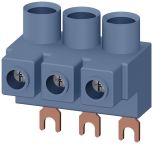
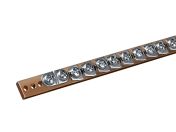
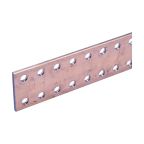
Electrical busbars are available in several forms, including solid bars, flat strips, and insulated comb-style designs. They are typically manufactured from highly conductive materials such as copper or aluminium, and some busbars may also use brass depending on the application.
What Are the Different Types of Busbars?
Busbars are used to distribute electrical power from incoming feeders to multiple outgoing circuits, acting as a central connection point for efficient current flow.
The type and size of the busbar selected will depend on the installation environment, current requirements, and mechanical constraints.
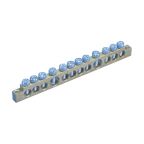
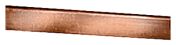
- Copper Busbars: Copper busbars in Malaysia are widely used in high-current applications due to their excellent electrical conductivity, high mechanical strength, and thermal performance. They are also commonly used for earthing and grounding systems due to their low resistance and reliability.
- Aluminium Busbars: Aluminium busbars provide a lighter and more cost-effective alternative to copper. While they have lower electrical conductivity, they are suitable for large-scale power distribution systems when appropriately sized.
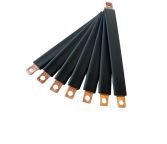
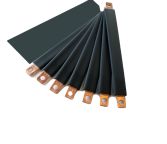
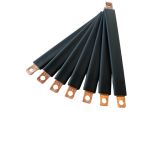
- Flexible Busbars: Flexible busbars are constructed from multiple thin copper laminations or braided conductors, allowing them to bend and absorb vibration. They are commonly used in applications such as switchgear connections, electric vehicles, and industrial machinery where movement or thermal expansion occurs.
- Insulated Busbars: Insulated busbars feature a protective coating, typically made from materials such as PVC, epoxy, or heat-shrink insulation, to prevent accidental contact and improve safety. They are widely used in switchgear, panel boards, and compact distribution systems.
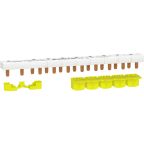
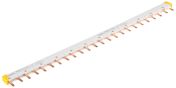
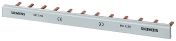
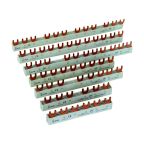
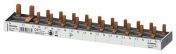
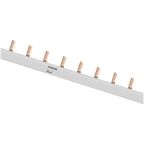
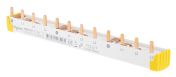
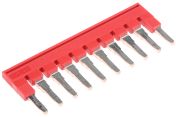
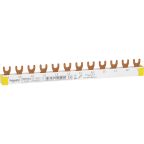
- Comb Busbars: Comb busbars are commonly used in small distribution boards and electrical panels. They are used to distribute power to devices such as miniature circuit breakers (MCBs), helping to reduce wiring complexity.
Selecting the Right Busbars
Choosing the right busbar involves evaluating several electrical, mechanical, and environmental factors to ensure safe, efficient, and reliable power distribution.
- Current Carrying Capacity: Determines how much electrical load the busbar can safely handle without exceeding permissible temperature rise limits.
- Short-Circuit Withstand Rating: Defines the busbar’s ability to withstand thermal and mechanical stress during fault conditions without damage.
- Material Type: Copper or aluminium selection affects busbar conductivity, weight, corrosion resistance, and overall cost.
- Busbar Size and Cross-Section: The cross-sectional area of the busbar directly impacts current density, voltage drop, and heat dissipation.
- Temperature Rise Limit: Ensures compliance with allowable temperature limits defined in standards such as IEC 61439 and prevents performance degradation over time.
- Installation Environment: Factors such as humidity, contamination, vibration, and busbar enclosure type influence durability and reliability.
- Voltage Level: Must align with system insulation requirements and clearance/creepage distances.
- Standards Compliance: Ensures adherence to relevant standards such as IEC 61439 (low-voltage switchgear assemblies) and IEC 60865 (short-circuit forces).
- Mounting and Spacing: Proper spacing between busbars, phases, and adjacent conductive parts ensures adequate cooling, reduces the risk of arcing, and maintains dielectric strength between phases.
- Surface Treatment and Plating: Busbar contact surfaces are often tin-plated or silver-plated to improve contact reliability, minimise oxidation at joint interfaces, and maintain low contact resistance over the service life of the installation.
Industrial Applications of Busbars
Busbars are widely used across industrial and commercial environments where efficient, reliable, and compact power distribution is required.
- Industrial Plants: Busbars are used in switchgear, control panels, heavy machinery, and earth systems to manage high electrical loads safely and efficiently.
- Commercial Buildings: Support structured power distribution for lighting systems, HVAC equipment, and building services infrastructure.
- Power Stations and Substations: Enable transmission and distribution of electrical power within switchgear assemblies and busbar trunking systems.
- Renewable Energy Systems: Connect solar panels, wind turbines, and energy storage systems to inverters and distribution units.
- Data Centres: Provide compact and scalable power distribution for high-density IT environments.
- Automotive: Busbars are used in battery systems, power distribution units, and electric vehicle architectures where efficient current transfer is critical.
- Aerospace: Support lightweight and high-reliability electrical distribution in complex onboard systems.
- Healthcare: Power critical medical equipment and emergency systems requiring continuous, stable electricity supply.
- Manufacturing: Integrated into automation systems and production lines for consistent power delivery to machinery.
- Transportation: Used in rail electrification systems, electric vehicles, and infrastructure where efficient energy distribution is essential.
Busbar Installation and Maintenance Considerations
Correct installation and periodic maintenance are essential to preserving the performance, safety, and service life of busbar systems within electrical distribution infrastructure.
- Torque and Joint Integrity: All bolted busbar connections must be tightened to the manufacturer's specified torque values and rechecked at scheduled intervals. Under-torqued joints increase contact resistance, generate excess heat, and can ultimately lead to joint failure. Aluminium busbar joints are particularly sensitive to creep and require more frequent inspection and torque re-verification compared to copper busbar systems.
- Clearance and Creepage Distances: Minimum air clearance and creepage distances between busbars, between phases and between phase and earth must be maintained in accordance with the system's rated voltage and insulation class, as defined in IEC 61439. Within a busbar panel or busbar enclosure, insufficient spacing increases the risk of flashover and arcing under fault or overvoltage conditions.
- Thermal Inspection: Periodic thermographic (infrared) inspection of energised busbar systems helps identify hotspots at joints, terminations, and support insulators before they develop into failures. This is a widely recommended practice in facilities with high-uptime requirements or high-fault-risk environments.
- Protective Coating Integrity: For insulated busbars, the condition of the PVC, epoxy, or heat-shrink coating should be checked at regular intervals for cracking, abrasion, or contamination. Any damaged insulation must be replaced promptly to maintain touch-safe operation and prevent the risk of accidental arcing.
How to Order Busbars in Malaysia from RS
Source high-quality busbars in Malaysia from RS, with products from trusted suppliers, including Siemens, Eaton, and Schneider Electric, at competitive prices. Browse our online selection to find copper busbars, miniature circuit breakers, and energy monitoring devices suited for a wide range of installation and system requirements.
Ordering is straightforward. Select the busbar that matches your electrical and mechanical specifications, add it to your basket, and complete your purchase through a secure checkout. We offer fast and dependable delivery across Malaysia for your convenience. For further details on delivery timelines, shipping costs, and service coverage, please refer to our Delivery Information page.