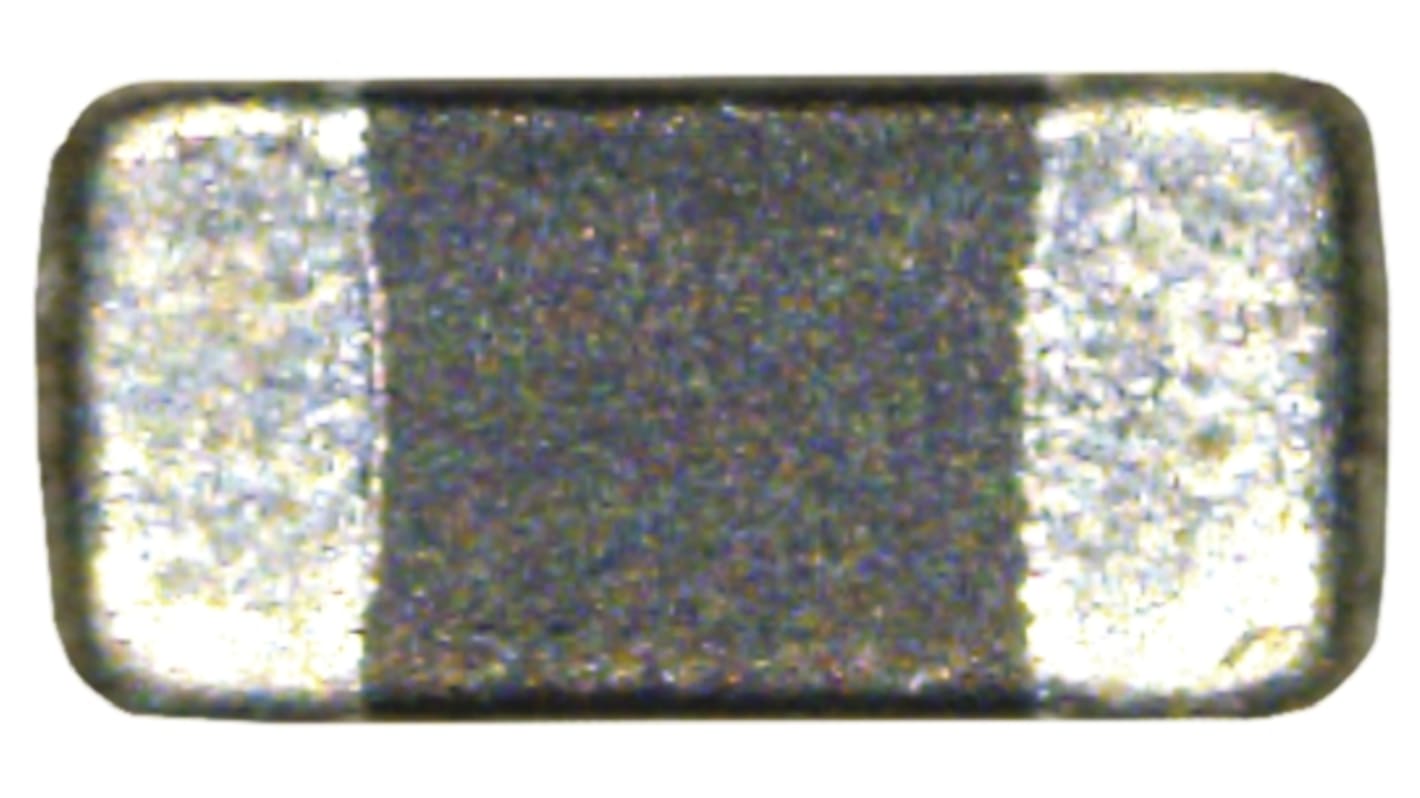
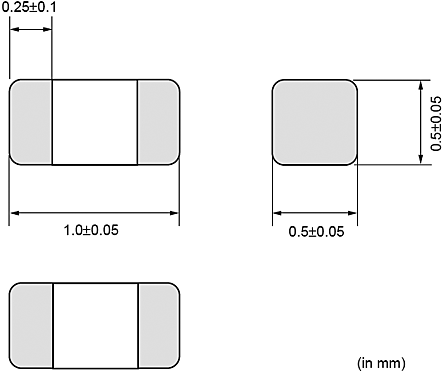
Murata Ferrite Bead (Chip Ferrite Bead), 1 x 0.5 x 0.5mm (0402 (1005M)), 1000Ω impedance at 100 MHz
- RS Stock No.:
- 724-1251
- Mfr. Part No.:
- BLM15AG102SN1D
- Manufacturer:
- Murata

Bulk discount available
Price Each (In a Pack of 25)**
MYR0.174
4850 In Global stock for delivery in 4-6 working days, delivery time may vary for certain locations or FTZ*
* Delivery dates may change based on your chosen quantity and delivery address.
FREE delivery for orders over MYR700.00
Units | Per Unit | Per Pack** |
|---|---|---|
| 25 - 2475 | MYR0.174 | MYR4.35 |
| 2500 - 4975 | MYR0.168 | MYR4.20 |
| 5000 + | MYR0.16 | MYR4.00 |
**price indicative
- RS Stock No.:
- 724-1251
- Mfr. Part No.:
- BLM15AG102SN1D
- Manufacturer:
- Murata
Related links
- Murata Ferrite Bead (Chip Ferrite Bead) 1000Ω impedance at 100 MHz
- Murata Ferrite Bead (Chip Ferrite Bead) 80Ω impedance at 100 MHz
- Murata Ferrite Bead (Chip Ferrite Bead) 120Ω impedance at 100 MHz
- Murata Ferrite Bead (Chip Ferrite Bead) 22Ω impedance at 100 MHz
- Murata Ferrite Bead (Chip Ferrite Bead) 600Ω impedance at 100 MHz
- Murata Ferrite Bead (Chip Ferrite Bead) 600Ω impedance at 100 MHz,...
- Murata Ferrite Bead (Chip Ferrite Bead) 220Ω impedance at 100 MHz
- Murata Ferrite Bead (Chip Ferrite Bead) 470Ω impedance at 100 MHz