- Published 17 Nov 2025
- Last Modified 17 Nov 2025
- 9 min
A Complete Guide to HVAC Systems
Discover what an HVAC system is as well as its key components, the various types available and its industrial and commercial applications in Malaysia.

A comprehensive guide to understanding the purpose, core components, operation, and types of HVAC systems for industrial and commercial climate control.
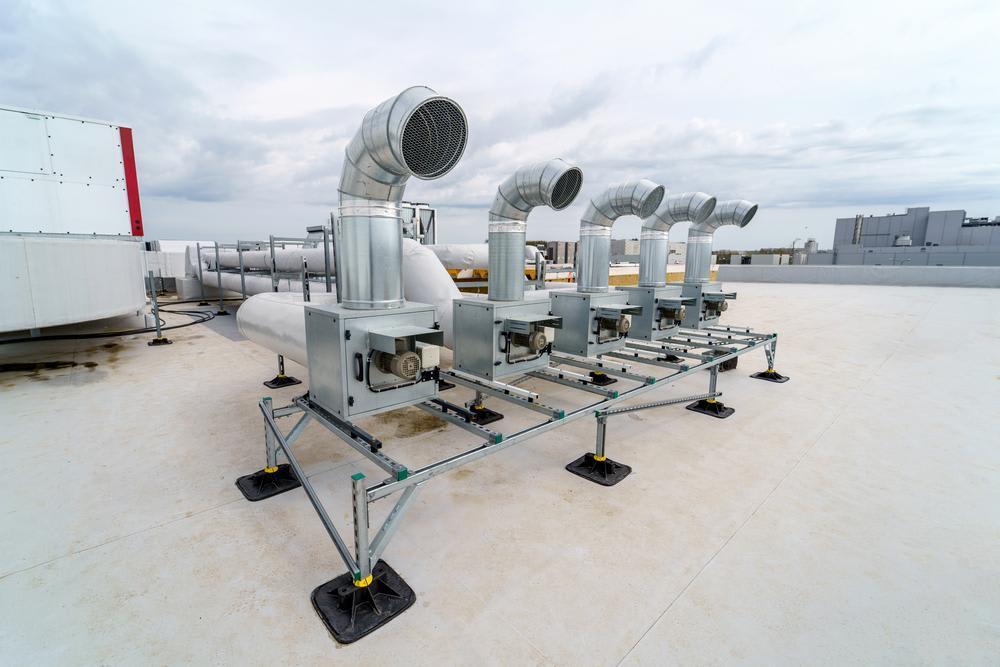
Maintaining optimal indoor air quality and thermal comfort is essential for productivity, health, and safety in any modern building. HVAC systems provide a complete solution for heating, ventilation, and air conditioning to regulate indoor environments effectively.
To provide a better understanding of this critical technology, we will delve into its core components, explore the operational principles that make it effective and review the various types of HVAC systems available for diverse industrial and commercial applications across Malaysia.
What Is an HVAC System?
HVAC stands for Heating, Ventilation, and Air Conditioning. The definition of HVAC systems refers to an integrated mechanical system designed to control indoor temperature, humidity, air quality, and airflow. HVAC systems regulate airflow, filter contaminants, provide thermal comfort, and maintain suitable humidity levels—critical for occupant well-being, equipment reliability, and compliance with health and safety standards.
These systems are commonly found and used across many industries, including:
- Commercial and industrial buildings such as offices, factories, warehouses, and manufacturing plants.
- Public facilities such as hospitals, schools, government buildings, and shopping malls.
- Specialised environments including laboratories, data centres, cleanrooms, and pharmaceutical production areas where precise climate control is crucial.
Key Components of an HVAC System
The functionality of an integrated HVAC system is a result of three primary components working in unison. To understand the full meaning of the system, you must know what each primary component does:
- Heating: Within an HVAC system, the heating component provides thermal regulation by generating and distributing heat. This function, typically performed by furnaces, boilers, or heat pumps, is essential for maintaining a stable and comfortable indoor climate.
- Ventilation: The ventilation component of an HVAC system is responsible for exchanging indoor and outdoor air to remove contaminants and improve air quality. This is achieved through mechanical systems that use fans to circulate air through a network of ducts and filters for purification.
- Air Conditioning: As part of the HVAC system, the air conditioning unit cools the air and dehumidifies the space by removing heat and moisture. This is a critical function for maintaining thermal comfort in Malaysia's humid climate.
How HVAC Systems Work
An HVAC system operates through a cyclical multi-step process to continuously condition the indoor environment. Here’s how:
- Step 1: Air Intake — The process begins by drawing in air. The system can either take in fresh air from outside or, more commonly, pull in existing air from the facility to be reconditioned as part of the return air cycle.
- Step 2: Filtration — Once the air is inside the unit, it passes through a series of filters (e.g., pleated, HEPA, or activated carbon). These filters are crucial for removing airborne contaminants such as dust, pollen, and other pollutants to ensure high indoor air quality.
- Step 3: Cooling and Heating — The filtered air is then thermally conditioned to the desired temperature. The HVAC system either cools the air using a refrigerant cycle or heats it via a furnace or heat pump to achieve the set climate.
- Step 4: Air Distribution — The conditioned air is then distributed throughout the entire building via a network of supply and return air ducts. Fans and blowers are used to ensure the air reaches every designated area efficiently.
- Step 5: Return Air Cycle — Finally, the air completes its cycle by returning to the central unit. It’s pulled back through return air ducts to be re-filtered and reconditioned, ensuring a continuous flow of treated air.
This multi-stage process is typical of centralised HVAC systems that condition air for an entire building through a network of ducts. In contrast, a typical split AC system handles a single room with separate indoor and outdoor units, which eliminates the need for a complex network of ducts.
Safety and Control
Beyond the primary cycle, HVAC systems rely on components like reed switches for critical machine safety and control functions. This simple electrical switch uses magnetic sensing to detect position, making it ideal for a variety of applications. Common uses include:
- Float switches: Detect rising condensate water levels to automatically shut down the system and prevent leaks or water damage.
- Safety interlocks: Monitor access panels and deactivate systems during maintenance to protect workers from hazards.
These features enhance system reliability and workplace safety.
Types of HVAC Systems
HVAC systems come in a variety of configurations, each designed for specific building requirements. The most common types are:
Ductless Split Systems (Single Split)
A ductless split system, often referred to as a single split unit, is a type of HVAC configuration designed for a single room or zone. It operates by having an indoor unit that conditions the air and an outdoor unit that houses the compressor, with both connected by a refrigerant line. This setup is a popular choice in Malaysia for smaller commercial offices, retail shops, and server rooms where quick and efficient air conditioning is required without the need for extensive ductwork.
Multi-Split Systems
A multi-split system is a type of ductless HVAC configuration that connects a single outdoor unit to multiple indoor units. Each indoor unit can be independently controlled to provide heating or air conditioning to its specific zone, offering significant flexibility. These HVAC systems are commonly used in Malaysia for larger residential projects or for small-to-medium commercial spaces, such as multi-office suites or boutique hotels, where individual climate control is required.
Centralised Air Conditioning Systems
A centralised air conditioning system is a large-scale HVAC system that uses a single unit to cool an entire building or a large commercial space from a central point. The conditioned air is then distributed to various rooms and floors via a network of supply and return air ducts. These HVAC systems are the standard choice for large-scale applications in Malaysia, commonly found in high-rise office buildings, shopping malls, and industrial facilities that require uniform climate control.
Variable Refrigerant Flow (VRF) Systems
A Variable Refrigerant Flow (VRF) system is an advanced form of a multi-split HVAC system that can provide simultaneous heating and cooling to different zones. It works by varying the refrigerant flow from a single outdoor unit to multiple indoor units, allowing for precise temperature control. These highly energy-efficient HVAC systems are commonly used in Malaysia for large commercial buildings, hotels, and hospitals where flexibility, energy savings and simultaneous heating and air conditioning are required.
Packaged Systems
A packaged system is an all-in-one HVAC unit where the compressor, condenser, and evaporator are all contained within a single cabinet, typically installed on a roof or a concrete slab. These self-contained HVAC systems condition the air and distribute it to the indoor space via a simple ductwork connection. They are a common choice for commercial applications like retail stores, single-story factories, and strip malls, where indoor space is limited and easy maintenance is required.
Importance of HVAC Systems
HVAC systems are more than just a convenience; they are critical for maintaining a safe, healthy, and productive environment in various settings. This is especially true when considering:
Climate
HVAC systems are essential for effective climate control, particularly in demanding environments. This is due to their ability to address the following:
- General Climate Regulation: HVAC systems provide a controlled indoor environment that is independent of external conditions. This is essential for maintaining a stable climate in all types of weather.
- High Humidity in Malaysia: In Malaysia, the perpetually hot and humid climate makes reliable HVAC systems a necessity. Systems must be able to perform a crucial dehumidification function that is key to preventing moisture-related issues and protecting sensitive equipment.
Energy Efficiency
Energy efficiency is a primary driver for the adoption of modern HVAC systems in Malaysia, driven by both operational costs and regulatory demands. This is achieved through:
- General Energy Consumption: HVAC systems are one of a building's largest energy consumers. By using highly efficient components and advanced controls, these systems require less power to achieve the same output. This directly reduces electricity bills for significant cost savings and lowers a building's overall carbon footprint.
- Malaysian Standards: The Malaysian Standard MS 1525 establishes the Code of Practice on Energy Efficiency for Non-Residential Buildings. This standard makes it a regulatory requirement for engineers and designers to select and incorporate energy-efficient HVAC solutions into their building plans.
- Green Building Index (GBI): The Green Building Index is Malaysia's leading green building rating system. As a significant component of a building's energy use, the performance of HVAC systems is a key benchmark evaluated under GBI, making high-efficiency systems essential for achieving certification.
- Government Initiatives: Government bodies such as Suruhanjaya Tenaga (Energy Commission) drive the adoption of energy-efficient solutions through various initiatives. Their push for inverter air-conditioners and the Minimum Energy Performance Standards (MEPS) directly encourages the market to adopt high-performance HVAC solutions.
Choosing the Right HVAC System
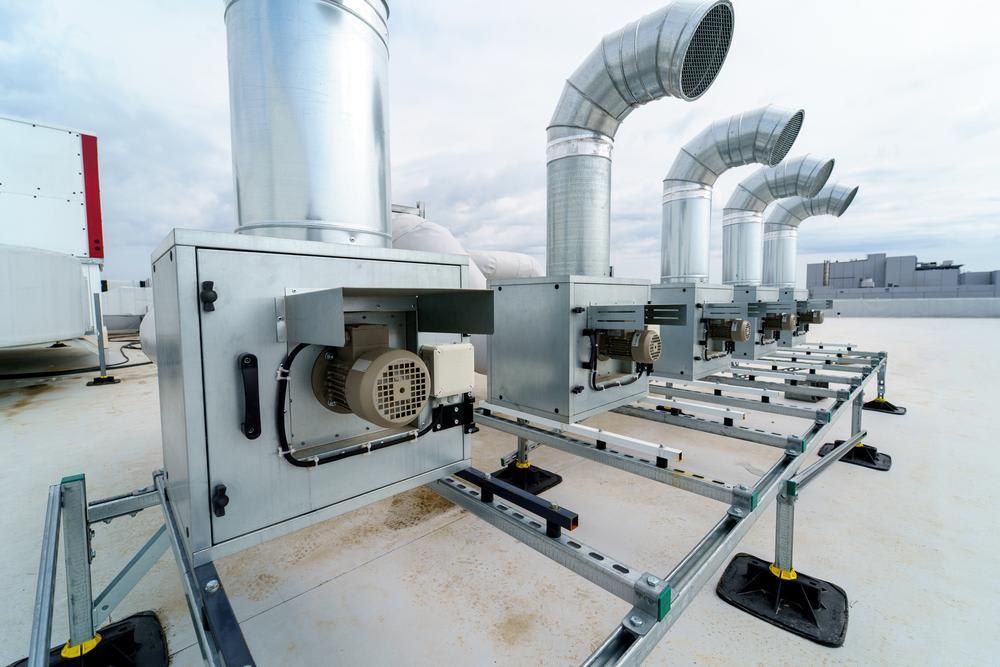
Selecting the ideal HVAC system is a strategic decision that depends on a building's unique requirements. Professionals must carefully evaluate these key factors to ensure optimal performance and long-term efficiency:
- Building Size and Layout: The first and most critical factor is matching the system to the physical space. The size of the building and its architectural layout determine whether a single-zone split system or a complex, multi-zone centralised system is the most viable option.
- Cooling Capacity (BTU/Tonnage): This refers to the system’s ability to remove heat and is measured in BTUs (British Thermal Units) or tonnage. A system’s capacity must be carefully calculated to match the space's heat load, ensuring efficient and effective cooling without overworking the unit.
- Energy Efficiency Rating: Given the high energy consumption of HVAC systems, choosing an energy-efficient unit is essential. In Malaysia, look for a 5-star rating under the Minimum Energy Performance Standards (MEPS) established by the Energy Commission to guarantee a high level of efficiency.
- Ingress Protection (IP) Rating: The IP rating measures a unit's resistance to solid particles and moisture. This is a critical factor for outdoor or industrial installations, ensuring the unit can withstand demanding environmental conditions like dust and high humidity.
- Maintenance Requirements: The long-term performance and cost of a system are heavily influenced by its maintenance needs. Selecting a unit with easily accessible components and straightforward maintenance procedures will minimise downtime and reduce overall operational costs.