- Published 17 Nov 2025
- Last Modified 17 Nov 2025
- 7 min
IP Rating Meaning Explained: A Complete Guide to Ingress Protection
IP ratings are vital to electrical safety. Learn about their definition and what they mean for your electrical products.

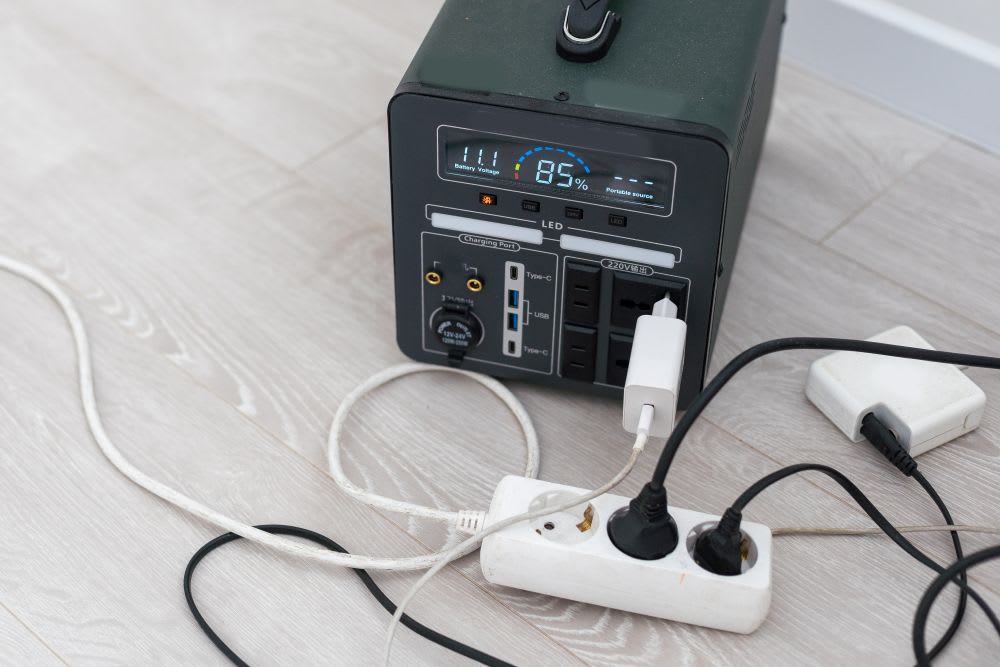
IP ratings, or Ingress Protection ratings, tell you how well a device 's enclosure protects against the ingress of solid particles like dust and liquids, such as water. That said, there are some factors that the standard does not cover, such as impact, corrosion, and UV (ultraviolet) resistance.
Nevertheless, the information from an IP rating is crucial to help you select electrical products that can safely withstand their intended environments, especially if they will be exposed to Malaysia’s hot, humid, and rainy climate.
What is an IP Rating?
An IP rating is a standardised classification defined by the International Electrotechnical Commission (IEC) under IEC 60529. It is used to indicate the degree of protection that an electrical or electronic enclosure provides against the intrusion of dust and water.
In Malaysia, the industry adopts the IEC 60529 as MS IEC 60529, with the 'MS' signifying its acceptance and authorisation by the Department of Standards Malaysia (DSM).
In turn, the Suruhanjaya Tenaga (Energy Commission of Malaysia), which regulates the country’s electricity and piped gas supply industries, sets the technical guidelines for various electrical applications. This includes stipulating IP ratings for applications across Public Works Department (JKR) projects to consumer devices with SIRIM labels.
For example, it mandates that water heaters in Zone 1 of bathrooms, which are directly above a bathtub or shower up to 2.25m high, must have at least an IPX5 rating. This ensures consumer safety in wet areas.
How to Read IP Ratings
First Digit (Protection Against Solids)
The first digit of an IP rating signifies the degree of protection against solid foreign bodies and particulates.
- 0: No protection against solid foreign objects.
- 1: Protection against solid objects larger than 50mm, such as accidental contact with the back of a hand.
- 2: Protection against solid objects larger than 12.5mm, such as a finger.
- 3: Protection against solid objects larger than 2.5mm, like wires and tools.
- 4: Protection against solid objects larger than 1.0mm, such as small screws or fine tools.
- 5: Dust-protected. While not completely dust-tight, it prevents a harmful amount of dust from entering the enclosure.
- 6: Dust-tight. This is the highest level, offering the most protection from the ingress of dust.
Second Digit (Protection Against Liquids)
The second digit of an IP rating represents the level of protection against moisture ingress.
- 0: No protection from liquids.
- 1: Protection against vertically falling water drops.
- 2: Protection against vertically dripping water when the enclosure is tilted up to 15° off vertical.
- 3: Protection against spraying water, such as rain.
- 4: Protection against splashing water from any direction.
- 5: Protection against water jets, such as from a nozzle.
- 6: Protection against powerful water jets from any direction.
- 7: Protection against the effects of temporary immersion in water (up to 30 minutes and 1m depth).
- 8: Protection against the effects of continuous immersion in water at parameters agreed upon between manufacturer and user.
- 9: Protection against high-pressure and high-temperature water jets.
IPX Ratings
An IPX rating means that a numerical rating has only been provided for one of the two primary ingress protection types – either against solid foreign bodies or liquids.
The ‘X’ serves as a placeholder for the untested category. For example, an ‘IPX7’ rating indicates a moisture resistance rating of 7, without an assigned rating for solid foreign body ingress.
Conversely, an ‘IP5X’ rating means the product has a certified protection level of 5 against foreign body intrusion, without an assigned IP water rating level.
This coding provides a clear way to understand a product's specific certified protection capabilities.
Common IP Ratings to Look for by Applications
Waterproof IP Ratings
If the electrical product you’re looking for needs to have waterproofing qualities, pay attention to the second digit of the IP codes. While no product is ‘fully waterproof’, the IP rating provides a useful threshold for what you can expect in terms of protection against moisture ingress.
To determine if your product offers sufficient protection, compare its IP rating against the conditions your intended application will expose it to. Here are some common applications of electrical products and their required ratings:
- Bathroom fittings: In Zone 1 of bathrooms, fittings need an IP water rating of at least IPX4 to IPX5 to withstand water spray.
- Outdoor isolators, switches, and distribution boards: These should have an IP rating of IPX5 to IPX6 to withstand water jets from monsoon rains.
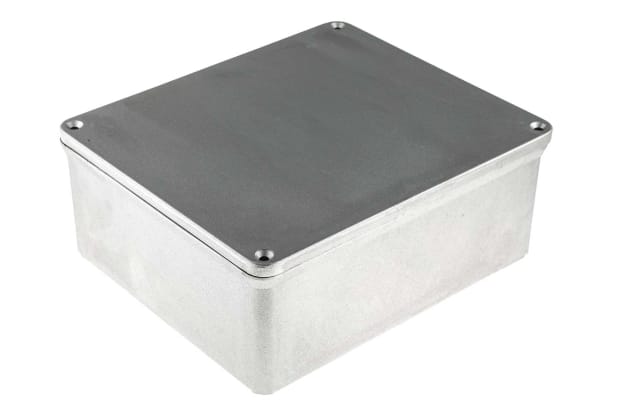
- Junction boxes and car parks in flood-prone areas: Installations here require an IP67 rating for protection against temporary immersion in floodwaters.
- Submersible pumps and pond lights: These products require an IPX8 rating for continuous immersion, which is essential for functionality and safety underwater.
- Industrial food and beverage washdown areas: A rating of IP66 to IP69 is recommended. However, as this standard does not cover impact protection, check the vendor claims to ascertain if the product meets the IP69K standard, if needed.
Weatherproof IP Ratings
The term ‘weatherproof’ is not an official standard under IEC 60529, but rather a broadly used marketing term. However, there are IP ratings that are typically considered ‘weatherproof’ in Malaysia:
- Installations in shops and offices: Indoor uses usually need IP20 to IP30, though added filtration may be needed for places exposed to smaller particles, such as dusty workshops.
- Sheltered outdoor fixtures: Installations like wall lights on a porch or outdoor units of HVAC air conditioning systems may require an IP rating of IP44 to IP54, protecting against splashes and dirt.
- Outdoor sockets on housing estates: An IP55 rating is usually needed to protect fixtures, such as reed switch security systems, from dust and low-pressure water jets, ensuring safety in outdoor residential areas.
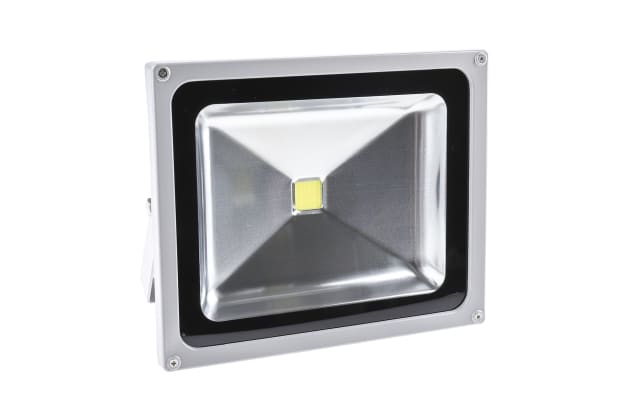
- Outdoor exposed: For fixtures like street lighting and floodlights that are exposed to rain, monsoons, or coastal conditions, an IP65 to IP66 rating is recommended to offer robust protection.
- Temporary site installations: IP54 to IP65 are typically used for distribution boards and site boards, secured with gaskets for added protection.
Why Look at IP Ratings?
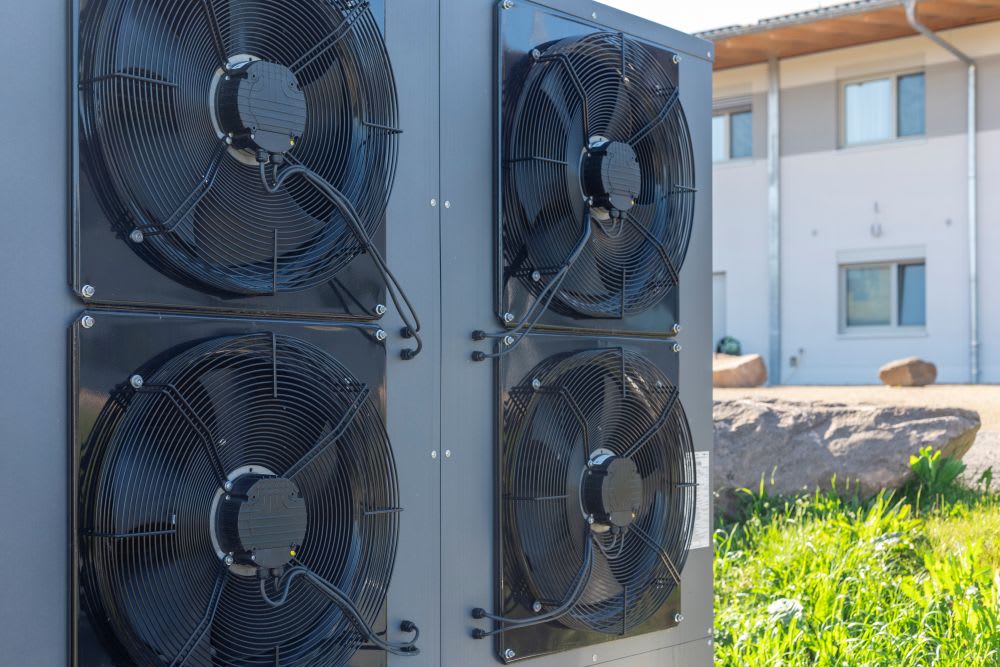
An IP rating provides a credible and standardised measure of an enclosure’s protection, as defined by the IEC 60529. These standards are rigorously tested using methods like dust chambers and water jets, ensuring a reliable benchmark for product selection.
By paying attention to IP ratings, you ensure:
- Safety: The correct IP rating is vital to preventing electric shock, fire hazards, and equipment damage by ensuring the enclosure safeguards internal components from environmental ingress. This is especially crucial when it comes to ensuring industrial workplace safety.
- Reliability: Devices with the proper ingress protection last longer and perform more reliably in harsh conditions, reducing the risk of failure and the need for frequent replacements.
Common IP-Rated Products
By understanding the meanings of different IP ratings, you can select products with the right level of ingress protection.
RS Malaysia offers a wide range of IP-rated products designed for various applications, from industrial components with weatherproof IP ratings to electrical equipment with waterproof enclosures. Explore our categories to find the ideal solution for your needs.