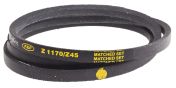
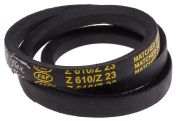
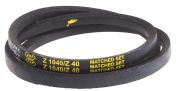
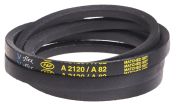
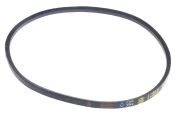
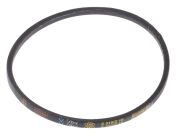
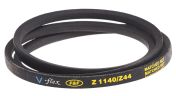
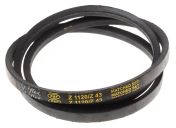
V & Wedge Belts
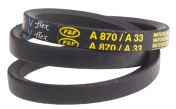
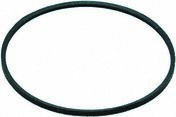
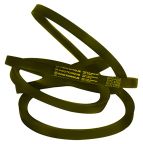
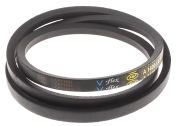
A drive belt is a looped length of synthetic flexible material or rubber used to connect two or more pulleys. V belts are designed to fit the outer edge of the belt pulley, where tension creates frictional contact that transfers motion and power efficiently.
A V-belt is a flexible power transmission belt with a trapezoidal or "V" shaped cross-section. This shape is designed to fit securely into the groove of a v belt pulley, creating a wedging action that increases friction and allows it to transmit high levels of torque without slipping. This makes the v belt drive one of the most common and reliable methods for transferring power between shafts.
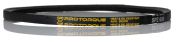
A wedge belt is a more modern, high-performance evolution of the classic V-belt. The wedge v belt has a deeper profile and a better belt wedge angle, allowing it to transmit more power in a smaller footprint. This makes the wedge belt drive a more compact and efficient solution for modern machinery.
How to Identify the Correct Drive Belt
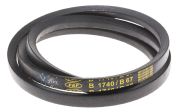
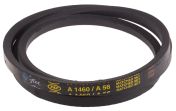
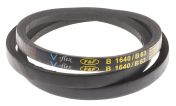
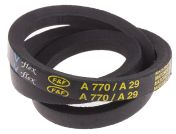
Identifying the correct size belt for your application is critical for performance and safety. The easiest way is to check the outer surface of the belt drive for a manufacturer's part number. This code usually identifies the belt's cross-section (its width and shape) and its length. If this number is worn off or unreadable, you'll need to measure the belt manually.
Measuring the Length of the V-Belt
The length of the drive belt or poly V-belt is calculated by measuring the inner circumference of the belt. This can be done with either a specialist V-belt measuring tool, a flexible cloth tape, or even a piece of string. Wrap the tape or string snugly around the outside of the belt to find its total length. Do not use a steel tape or ruler, as they cannot provide an accurate reading on a flexible belt.
Measuring the Width of the V-Belt
When examining a belt’s cross-section, a wrapped belt or wedge belt will appear trapezoidal in shape. To measure correctly, take two key dimensions:
- The width across the top of the ‘V’ (the belt’s section width).
- The height from the base to the apex of the 'V’.
These two measurements correspond to the belt’s “section” size, which is necessary for identifying the correct wedge V-belt or V-belt pulley match for your application.
Belt Types
Once the V-belt’s length and width have been measured, these figures can be used to determine the correct belt type. The width measurement usually corresponds to a specific section code, which may appear as a single letter or a set of three letters, followed by the length.
Common examples of V-belt types include:
- A Section x Length
- B Section x Length
- Z Section x Length
- XPZ Section x Length
- SPZ Section x Length
- SPB Section x Length
Identifying V-Belt Material Types and Durability
The performance and durability of a V-belt or wedge V-belt depend heavily on the materials used in its construction. Each material contributes unique properties that improve flexibility, strength, and resistance to wear.
- Rubber or Synthetic Elastomers: Provide flexibility and resilience, commonly used for general-purpose V-belt drives.
- Fabric or Cloth Covers: Added to the belt surface for improved wear resistance, reducing friction, and extending operating life.
- Polyester or Aramid Cords: Reinforcement cords that increase tensile strength, preventing stretching under load.
- Neoprene: Offers excellent resistance to oils, chemicals, and environmental factors, making it suitable for harsh conditions.
- EPDM (Ethylene Propylene Diene Monomer): Known for outstanding heat and weather resistance, ideal for high-temperature and outdoor applications.
These material choices ensure that V belts and wedge belt pulleys perform reliably across industries where durability and efficiency are critical.
Common Problems and Troubleshooting V-Belt Issues
Even high-quality V-belts can face issues if not properly installed or maintained. Understanding common problems helps you apply the right corrective measures quickly.
- Broken Belt or Cord Damage: This is often caused by excessive shock loads or foreign objects in the drive. To prevent this, verify that the correct belt type is being used and ensure belt guards are in place to keep out debris.
- Edge Cord Damage from Misalignment: Misaligned pulleys can cut into the belt's edges, weakening it. Use alignment tools to precisely realign pulleys before installing a new belt.
- Belt Slippage or Derailment: This is typically caused by incorrect tension (too loose) or worn pulley grooves. Re-tension the belt correctly and inspect the sheaves for wear.
- Failure to Transmit Load: Using an undersized belt or applying incorrect tension reduces its load capacity. Always confirm the correct wedge belt drive size and use a tension gauge for accuracy.
- Uneven Wear: Contamination, misalignment, or improper tension can lead to accelerated wear. Clean pulleys regularly, correct alignment, and maintain proper belt tension to extend service life.
Addressing these issues promptly prevents costly downtime and extends the service life of V-belt drive systems.
Maintenance Tips for Extending V-Belt Life
Routine maintenance plays a vital role in ensuring the reliability and performance of V-belts and wedge belt drives. By following these best practices, you can reduce unexpected failures and improve overall efficiency.
- Regular Visual Inspections: Look for cracks, fraying, glazing, or uneven wear that indicate the belt is nearing the end of its service life.
- Proper Belt Tension: Use a tension gauge to prevent both slipping and over-stressing the belt.
- Correct Pulley Alignment: Laser alignment tools or straightedge methods help eliminate uneven wear and premature failure.
- Clean Belts and Pulleys: Remove dirt, oil, grease, and debris that can reduce traction and accelerate wear.
- Avoid Extreme Conditions: Provide ventilation to dissipate heat and avoid prolonged exposure to extreme temperatures.
Implementing these maintenance practices helps maximize uptime and reduces replacement costs across V-belt pulley systems.
Importance of Proper Tensioning in V-Belt Drives
Correct tensioning is essential to the performance and longevity of any V-belt drive pulley system. When belts are adjusted to the right tension, they deliver efficient power transmission while extending the life of all components.
- Efficient Power Transfer: Properly tensioned V-belts maximise energy transfer and reduce losses caused by slipping.
- Extended Service Life: Correct tension prevents premature wear and overheating of both belts and pulleys.
- Avoiding Under-Tensioning: Belts that are too loose will slip, generating excess heat, noise, and rapid deterioration.
- Avoiding Over-Tensioning: Excessive tightness places unnecessary stress on belts, bearings, and shafts, risking costly damage.
- Protecting Bearings: Balanced tension distributes the load evenly across bearings, reducing strain and increasing their service life.
Applications and Industries Using V & Wedge Belts
V belts and wedge belts are widely used across industries where reliable power transmission is essential:
- Energy and Utilities: Found in power plants, renewable energy systems like wind turbines, and utility pumps.
- Electronics and Semiconductor Manufacturing: Used in precision machinery, cleanroom HVAC systems, and automated handling equipment.
- Aerospace: Applied in ground support equipment, manufacturing machinery, and various test rigs.
- Heavy Machinery and Equipment: Critical for mining, construction, and agricultural machines like crushers and conveyors.
- Packaging: Drives conveyor belts, sorting machines, and other automated systems in the packaging industry.
Buy V Belts & Wedge Belt Pulleys from RS Malaysia
RS is a trusted V-belt supplier in Malaysia, offering a wide selection of industrial power transmission solutions from leading brands like SKF, OPTIBELT, and Contitech. As premier drive belt suppliers, our competitively priced inventory supports a variety of needs, with proven quality and technical reliability.
In addition to V-belts and wedge belt pulleys, RS also supplies a full range of complementary components, including safety relays, torque wrenches, and proximity sensors, ensuring you have everything needed for efficient system operation.
Order your V-belt drive components and accessories online today and enjoy fast delivery across Malaysia. For details on how to place your order and delivery information, please refer to our dedicated Delivery Page.