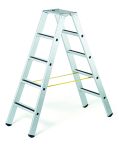
Step Ladders
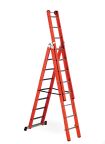
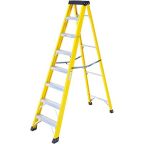
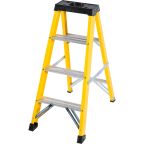
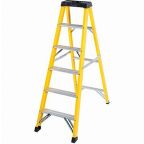
Step ladders, also widely known as A-frame ladders or folding step ladders, are the most common type of self-supporting ladder used in industrial, commercial, and domestic settings. They are essential tools that provide safe, stable access to elevated areas for tasks ranging from routine maintenance to complex installations. Available in a variety of sizes and materials, including lightweight aluminium and durable fibreglass, these ladders feature wider treads (steps) and a lightweight, self-supporting frame to ensure stability and ease of use.
Types of Step Ladder
Platform Step Ladders
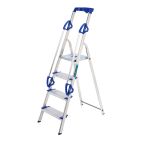
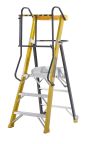
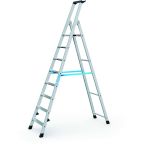
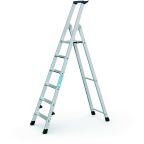
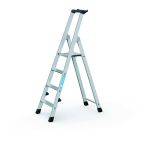
Platform step ladders include a wide top tread that function as a stable working platform and a convenient high-level platform for resting tools and materials. Designed to open up like scissors, platform step ladders are free-standing, offering a secure working position that leaves your hands free. The inclusion of a handrail above the platform provides added stability, making the ladder platform design ideal for tasks requiring extended periods at height. They come in various configurations, including options with 12 steps or reaching heights of 6 metres, providing safe access for higher work.
Swingback Step Ladder
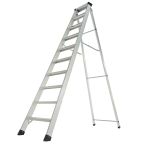
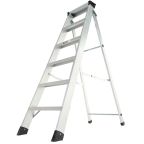
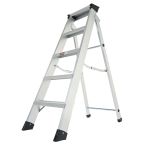
Swingback step ladders are heavy-duty ladders designed with deep, serrated, anti-slip steps arranged on one side only for secure footing. Their construction features box-section back legs reinforced with heavy-duty bracing to provide additional strength and safety. While the BS EN131 standard states that users should not use the top two treads, which includes the very top section, Malaysian regulations and most international standards advise against using the top three treads.
Choosing the Right Ladder
Choosing the right ladder involves considering its material composition, which directly influences safety, durability, and cost.
Aluminium
Aluminium step ladders are popular among homeowners due to their reasonable price, light weight, and portability. While generally durable, their legs can sometimes bend, and the steps or rungs may sag under prolonged heavy use. Additionally, aluminium conducts electricity, which poses a significant hazard, making it unsuitable and often prohibited for professional use near electrical work.
Fibreglass
Fibreglass step ladders are preferred by professionals for their combination of lightness and strength. Although more expensive than aluminium, they provide excellent durability for everyday use and are non-conductive, making it safe to use around electrical items and in wet, slippery conditions. This makes fibreglass an ideal choice for workplace environments where electrical hazards are present.
Timber
Timber ladders are a traditional option, often valued for their stability and non-conductive properties when dry. However, they are heavier than fibreglass and aluminium step ladders and require careful maintenance to prevent warping, splintering, and moisture absorption, which can compromise their safety.
Steel
Steel step ladders are typically designed to be heavy-duty step ladders or industrial step ladders. They are robust, highly durable, and favoured for their strength and stability, particularly in industrial settings. However, they are significantly heavier than aluminium or fibreglass and, like aluminium, are electrically conductive, limiting their use near live circuits.
Why Getting the Right Ladder is Important
The ladder is a critical safety tool, impacting every task performed at height. Selecting the right equipment is thus crucial for enhancing worker safety, maximising operational efficiency, and ensuring compliance on the worksite.
- Provides Safe, Stable Access to Elevated Areas: The right step ladder ensures secure footing for tasks like maintenance, stock picking, and installation, minimising the risk of falls.
- Improves Productivity: By enabling workers to quickly and safely reach higher places, the correct platform ladder eliminates the time and complexity associated with assembling scaffolding.
- Creates Safer Work Environments: A properly rated heavy-duty step ladder with good balance and locking mechanisms contributes to worker confidence and teamwork, supporting overall site safety.
- Reduces the Need for Additional Personnel: A high-quality A-frame ladder, with its robust balance and secure locking mechanism, often reduces the need for colleagues to support or steady the ladder. This leads to more efficient use of manpower.
- Cost-Effective and Versatile Solution: Compared to dedicated lifting equipment, a well-chosen folding step ladder is suitable for a wide range of industrial and commercial applications.
Step Ladder Storage and Transportation Tips
Proper storage and careful transportation are essential to maintain the structural integrity and safety of your step ladder.
- Store in a Dry Area: Ensure step ladders are kept in a dry, covered, and well-ventilated area to avoid moisture damage to timber or corrosion to metal components.
- Always Fold Completely: The folding mechanism of foldable step ladders should be closed completely, with spreaders locked, before moving or storing, to maintain the frame's alignment.
- Secure When Vertical: A-frame ladders should be secured using strong straps or brackets when stored vertically to prevent them from falling unexpectedly.
- Use Racks for Horizontal Storage: Install wall brackets or racks to store ladders horizontally and prevent the rails from sagging or warping over time.
- Avoid Contaminants: Keep ladders away from heat, moisture, and corrosive materials, which can degrade the protective finish or fibreglass material.
- Clean Before Storage: Always clean ladders before storage and keep them free of debris, grease, or sticky substances that could affect the non-slip treads.
Common Hazards and How to Avoid Them
Using any step ladder carries inherent risks. Understanding common hazards is key to preventing accidents and ensuring safety on the job.
- Slippery or Uneven Surfaces: Placing A-frame ladders on slippery or uneven surfaces can cause them to tip. Always ensure the ladder feet are placed on a firm, level, non-slip surface.
- Using a Damaged Ladder: Never use a damaged step ladder with broken steps, bent rails, or missing parts. Conduct a pre-use inspection every time.
- Not Using Spreaders Fully: Failing to fully lock the ladder spreaders compromises stability. Always ensure the folding mechanism is fully extended and locked before stepping onto the ladder.
- Unsafe Locations: Setting up ladders in high-traffic or unsafe locations risks collisions. Barricade the area and inform others of the work being carried out.
- Proximity to Wiring: Placing aluminium step ladders or steel step ladders near electrical wiring is extremely hazardous. Use fibreglass ladders and wear appropriate safety gloves near live circuits.
- Reaching Outside Rails: Overreaching outside the ladder's side rails compromises your centre of gravity. Instead of overreaching, reposition the step ladder to prevent loss of balance or falling.
Industrial Application of Step Ladders
Step ladders are versatile tools in every professional's tool set, vital for operational efficiency and safety across numerous industrial and commercial sectors in Malaysia:
- Construction: Heavy-duty step ladders are used for short-term access, framing, drywall installation, and detail work on safety construction sites.
- Manufacturing: Essential in automotive, aerospace, and electronics manufacturing for machine setup, quality checks, and accessing components like socket screws and PCB connectors on assembly lines.
- Utilities: Electrical, water, and telecommunications personnel rely on step ladders for inspection, maintenance, and accessing junction boxes and control panels.
- Agriculture: Accessing silo tops, checking machinery, and performing maintenance in elevated areas within barns and large structures are common uses for step ladders in the agricultural industry.
- Transportation: Step ladders are routinely utilised for vehicle inspection, maintenance of buses, trains, and aircraft, and accessing cargo areas.
- Warehousing and Logistics: Crucial for stock picking on low to mid-level shelves and performing routine maintenance on racking and conveyor systems.
- Retail: In stockrooms and on shop floors, step ladders are employed for merchandise display adjustments, accessing high storage areas, and installing signage.
- Hospitality: Maintenance tasks such as changing light bulbs, repairing ceiling fixtures, and accessing storage in kitchens and service areas are efficiently handled by step ladders.
Shop Step Ladders from RS Malaysia
RS Malaysia is your trusted supplier and distributor of a wide selection of step ladders. We offer a comprehensive range of products from leading brands such as FIMM, Zarges, and our very own RS PRO, ensuring you find the best platform ladder for your specific needs at competitive prices.
Ordering from RS Malaysia is straightforward: simply browse our user-friendly website, filter by height, material, or load rating, and add your chosen step ladder to your cart. RS Malaysia offers efficient and reliable delivery for all orders. For comprehensive details on our delivery services and any associated fees, please refer to our dedicated Delivery page on our website.