Calibration Weights
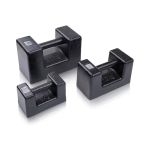
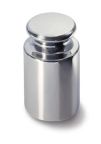
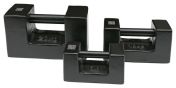
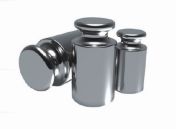
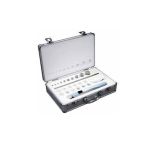
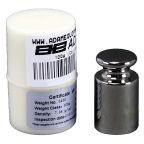
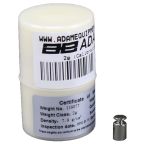
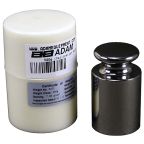
Calibration weights, also known as calibration test weights or precision weights, are essential tools used to calibrate weighing instruments and ensure accurate measurements. Manufactured to very high tolerances, these weights serve as a known standard to verify and adjust the accuracy of scales and balances. They are typically made from materials that are resistant to corrosion and wear, such as stainless steel or brass, to ensure they maintain their accuracy over time.
Calibration weights are critical for maintaining the accuracy of weighing scales and balances in various industries and are considered an essential tool for a wide range of applications, including scientific research and industrial manufacturing. They are available in a variety of types and classes to suit different needs and are often sold as a calibration weight set for easy use and storage.
Types of Calibration Weights
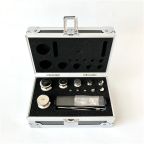
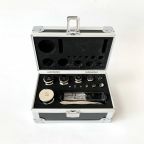
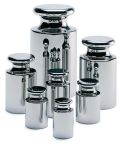
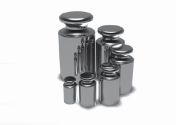
There are several types of calibration weights available, including individual weights and weight sets. Individual weights are single precision weights that are used to calibrate specific instruments, while weight sets typically include a range of weights of different sizes and values, allowing you to calibrate a wider range of instruments.
Calibration weights are classified based on their accuracy and tolerance levels. The most common classes of calibration weights are E1, E2, F1, F2, and M1, with higher classes indicating tighter tolerances and greater accuracy. The appropriate class depends on the precision required by the specific application. M1 weights are commonly used for less demanding applications, such as industrial or commercial weighing, while E1 and E2 are used for the most demanding applications, such as in the pharmaceutical or aerospace industries. Whether you are a scientist, engineer or industrial professional, calibration weights are an important investment that can help you achieve reliable and accurate measurements.
Understanding Classes for Calibration Weights
Calibration weights are classified into different classes based on their accuracy and tolerance. The most common classifications are defined by ASTM (American Society for Testing and Materials) and OIML (International Organisation of Legal Metrology). Here's a brief overview of common weight classes:
- OIML E1 & E2: Highest accuracy classes, used for calibrating high-precision balances in metrology labs and pharmaceutical industries.
- OIML F1: Used for calibrating precision balances and scales in laboratory and industrial environments.
- OIML F2: Suitable for calibrating commercial scales and balances used in retail and general weighing applications.
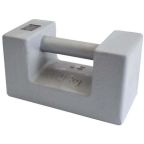
- OIML M1: Used for calibrating industrial scales and balances, as well as for general weighing applications where high accuracy is not required.
The tolerance of a weight class defines the maximum permissible deviation from its nominal value. Lower tolerance values indicate higher accuracy.
How to Choose the Right Calibration Weight Set for Your Needs
Selecting the appropriate calibration weight set is crucial for ensuring the accuracy and reliability of your weighing instruments. Consider these key factors when making your choice:
- Weight Accuracy (Class): The accuracy class of the calibration weights is paramount. Choose certified weights for calibration with a high accuracy class to ensure your weighing instruments are calibrated to the highest standards.
- Weight Range: The calibration weight set should cover the range of weights you need to calibrate your instruments. Consider the minimum and maximum weight requirements for your applications.
- Material Type: Calibration weights are typically made from stainless steel or other corrosion-resistant materials. Choose a material that is durable and suitable for your weighing environment.
- Certification and Traceability: For applications requiring high accuracy and traceability, choose certified weights for calibration that are traceable to national or international standards.
- Class of Weight: Calibration weights are classified into different classes based on their accuracy. Choose a class that meets the accuracy requirements of your weighing instruments.
- Environmental Conditions: Consider the environmental conditions where the calibration weights will be used. If they will be exposed to harsh conditions, choose weights with appropriate protection.
- Ease of Handling: The calibration weights should be easy to handle and manipulate during the calibration process. Consider the size, shape and how heavy the weights are for convenient handling.
- Set Completeness: Ensure the calibration weight set includes all the necessary weights to cover your calibration range. Some sets may also include accessories like tweezers or gloves for safe handling.
- Budget Considerations: Calibration weight sets can vary in price depending on their accuracy, material and completeness. Consider your budget and choose a set that offers the best value for your needs. Calibration weights for sale can be found at various price points, so it's important to compare options before making a purchase.
- Frequency of Use: If you frequently calibrate your weighing instruments, invest in a high-quality calibration weight set that can withstand regular use.
How to Use Calibration Weights for Scales and Testing
Calibrating your weighing scales and balances with calibration weights is essential for ensuring accurate measurements. Here's a step-by-step guide on how to use calibration weights effectively:
- Prepare the Scale and Calibration Weight: Ensure your scale or balance is clean, level and turned on. Clean the calibration weight to remove any dust or debris that could affect the reading.
- Select the Correct Calibration Weight: Choose a calibration weight that is appropriate for the range and capacity of your weighing instrument.
- Place the Calibration Weight on the Scale: Gently place the calibration weight on the centre of the weighing pan or platform. Avoid dropping or jarring the weight, as this could damage the scale or the weight itself.
- Allow the Scale to Stabilise: Wait for the scale's reading to stabilise before recording the measurement. This ensures that you are getting an accurate reading.
- Record the Weight Reading: Carefully record the weight reading displayed on the scale.
- Keep Weights Clean: Regularly clean your calibration weights to remove any dust, dirt or contaminants that may affect their accuracy. Use a soft cloth or brush and a mild cleaning solution, if necessary. Avoid harsh chemicals or abrasive cleaners that could damage the weight’s surface.
Maintaining and Storing Your Calibration Weights Properly
Proper maintenance and storage of your calibration weights are essential for ensuring their accuracy, longevity and reliable performance. Here are some tips to keep in mind:
- Repeat with Multiple Calibration Weights: To ensure accuracy across the entire weighing range, repeat the calibration process with multiple calibration weights of different values. This helps identify any linearity issues or inconsistencies in the scale's performance.
- Adjust the Scale if Necessary: If the scale's reading does not match the value of the calibration weight, adjust the scale's calibration settings according to the manufacturer's instructions.
- Avoid Physical Damage: Handle calibration weights with care to prevent scratches, dents or other physical damage that could affect their accuracy. Avoid dropping or impacting the weights and store them in a protective case when not in use.
- Store Weights in a Safe Location: Store calibration weights in a secure location to prevent unauthorised access, loss or damage. Choose a clean, dry environment away from extreme temperatures, humidity or corrosive substances.
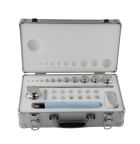
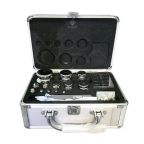
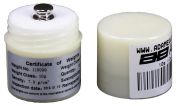
- Use Protective Storage Containers: Invest in protective storage containers or cases specifically designed for calibration weights. These containers help protect the weights from damage, keep them organised and prevent contamination.
- Store Weights Individually: Store each calibration weight individually in its designated compartment or slot within the storage container. This prevents the weights from rubbing against each other, which could cause wear and tear or affect their accuracy.
- Avoid Contact with Harsh Chemicals: Avoid exposing calibration weights to harsh chemicals, solvents or corrosive substances that could damage their surface or affect their accuracy. If the weights come into contact with any chemicals, clean them thoroughly with a mild cleaning solution and dry them completely before storage.
Industrial Applications of Calibration Weights
Calibration weights are essential tools in various industries for ensuring the accuracy and reliability of weighing instruments. These include:
- Laboratories: Calibration weights are fundamental in laboratories for calibrating analytical balances, precision scales, and other weighing equipment used in research, testing, and analysis. Accurate measurements are crucial for ensuring the validity and reliability of scientific findings.
- Food and Beverage Industry: Calibration weights are used in the food and beverage industry to ensure the accuracy of weighing scales used in production, packaging, and quality control processes. This helps maintain product quality, comply with labelling regulations, and prevent inconsistencies in product weight.
- Pharmaceutical Industry: In the pharmaceutical industry, calibration weights are critical for ensuring the precise measurement of ingredients and dosages in drug manufacturing, important for maintaining drug efficacy and patient safety.
- Automotive Industry: Calibration weights are used in the automotive industry to calibrate scales and balances used in manufacturing processes, quality control and research and development. This ensures the accuracy of measurements for components, materials, and finished vehicles.
- Aerospace and Defence: Calibration weights play a vital role in the aerospace and defence industries, where precise measurements are critical for ensuring the safety and performance of aircrafts, spacecrafts, and other equipment.
- Shipping and Logistics: Calibration weights are used in the shipping and logistics industry to calibrate industrial weighing scales used for weighing cargo and freight, ensuring accurate billing and preventing overloading of vehicles.
- Mining and Metals Industry: In the mining and metals industry, calibration weights are used to calibrate scales used for weighing raw materials, finished products, and inventory, ensuring accurate accounting and process control. Accurate weighing is also crucial for workplace safety in this industry, as overloading of vehicles or equipment can lead to accidents and injuries.
- Retail Industry: Calibration weights are used in the retail industry to calibrate scales used at checkout counters and in inventory management, ensuring accurate pricing and preventing discrepancies in stock levels.
- Medical Devices: Calibration weights are used to calibrate medical scales and balances used in hospitals, clinics and laboratories, ensuring accurate measurements for patient care and medical research.
Shop Calibration Weights at RS Malaysia
RS Malaysia is your trusted supplier of high-quality calibration weights, offering a wide selection to meet your accuracy needs. We source our calibration weights from reputable brands like Adam Equipment and Kern, ensuring precision and reliability for various applications. We also offer a range of associated products, including digital scales and wall mounted storage boxes.
Browse our extensive online catalogue to explore our range of calibration weight sets, from individual weights to comprehensive kits for calibrating scales and balances. Once you've found the right calibration weights for your needs, simply add them to your cart and proceed to our secure checkout.
We offer various convenient payment options and reliable delivery services across Malaysia. For detailed information about delivery options, estimated delivery times and associated costs, visit our Delivery Information page today!