Insertion & Extraction Tools
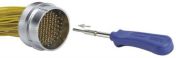
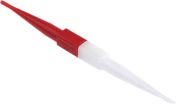
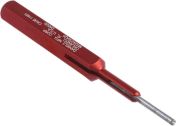
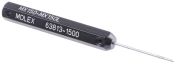
Insertion and extraction tools are essential hand tools designed for the precise and safe removal and installation of contacts from electrical connectors. These professional tools prevent damage to pins, terminals, and connector housings, which is vital for maintaining reliable electrical connections. RS offers a comprehensive range of insertion and extraction tools tailored to various popular brands, ensuring efficient and damage-free contact handling.
How Do Insertion and Extraction Tools Work
Insertion and extraction tools can range from simple manual tools to more complex devices depending on the connector series. They work by engaging a specific part of the contact or terminal to either push it into or pull it out of a connector housing without harm. Some tools feature spring-activated buttons or levers that allow the tool to affix around a contact, facilitating an easy action for either insertion or removal.
Types of Insertion Tools and Their Applications
Insertion tools are designed to streamline the process of placing terminals and contacts into connector housings. Here are the different types of insertion tools:
- Manual Insertion Tools: These are basic hand tools used for inserting terminals and contacts into connectors. They are suitable for low-volume and simple tasks.
- Pneumatic Insertion Tools: As air-powered tools, these are designed for high-speed and repetitive insertion in large-scale manufacturing environments.
- Battery-Powered Insertion Tools: These portable electric tools combine the speed of pneumatic tools with mobility, making them ideal for field or on-site work.
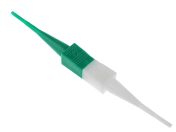
- Spring-Loaded Insertion Tools: These spring pin insertion tools provide controlled pressure and angle, ensuring precision placement in delicate or tight-spaced connectors.
- Insertion Tool Kits: These kits contain various tips and adapters, offering a versatile solution to handle different connector types and terminal sizes.
Types of Extraction Tools and Their Uses
Extracting a contact without damaging the terminal or its housing is a critical task. Here’s a selection of specialised extraction tools to meet these specific needs:
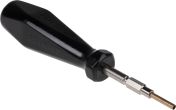
- Pin Extractors: A pin extractor tool is used to remove individual pins from connector housings without damaging the surrounding components.
- Terminal Release Tools: These tools are designed to release the locking tabs on terminals in electronic connectors, allowing for easy removal.
- Contact Removal Tweezers: These precision tweezers enable the delicate gripping and extraction of fragile contacts without bending them.
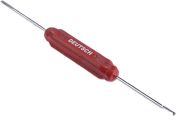
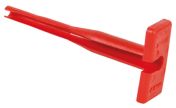
- Blade-Style Extraction Tools: Featuring a flat or forked blade, these tools are used to disengage terminal locks in automotive or industrial connectors.
- Spring-Loaded Extraction Tools: These tools have easy-release mechanisms for quick and efficient terminal removal, often with a simple push or press action.
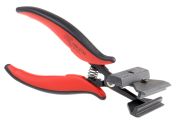
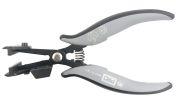
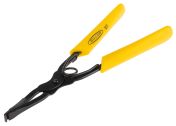
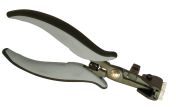
- Probe and Plier-Style Extraction Tools: A wire extractor tool can be in the style of a probe or pliers, useful for inserting or removing contacts in tight spaces.
Selecting the Right Tool for Your Insertion and Extraction Needs
Choosing the correct insertion and extraction tool is crucial for preventing damage to your connectors and contacts. Here are several factors to consider:
- Connector & Contact Type: Identify the specific connector type and contact size you'll be working with. Tools are often designed for a particular range or series.
- Tool Compatibility: Select tools that are compatible with the connector housing and the terminal geometry. This ensures a secure fit and prevents slippage.
- Precision and Safety: Choose an insertion tool that avoids damaging terminals and housings. For extraction, a secure-fitting extractor tool is key for safe removal.
- Specialised Tools: Consider specialised tools for different connector styles, such as coaxial, rectangular, circular, or D-sub.
- Versatility: Check if a tool set or kit covers a range of wire gauges and contact sizes, offering a more versatile solution.
- Ergonomics: Opt for ergonomic handles and safety features to improve user comfort and control, especially for repetitive tasks.
Safety Tips When Using Insertion and Extraction Tools
Safety is non-negotiable when working with terminals and connectors. Following these tips ensures a safe working environment and prevents component damage.
- Inspect Tools Regularly: Before each use, inspect your tools for any damage, wear, or misalignment that could lead to malfunction.
- Use the Correct Tool: Always use the correct tool type and size for the specific insert or contact. Never force a tool.
- Wear Appropriate PPE: Protect yourself by wearing the appropriate personal protective equipment, including safety glasses and gloves, to guard against stray wires or component damage.
- Secure Workpieces: Secure your workpieces properly in a vise or clamp to prevent slippage during insertion or extraction.
- Avoid Excessive Force: The proper tool should require minimal force. Avoid using excessive force, as this can lead to tool breakage or damage to the components.
- Keep Your Work Area Clean: Maintain a clean and organised work area to prevent obstructions and ensure safe operation.
Maintenance and Care of Insertion and Extraction Tools
Proper maintenance of insertion and extraction tools is essential for their longevity and reliability. Here’s how you can ensure these precision tools perform over time:
- Regularly Clean Tools: After each use, clean your tools with a soft, lint-free cloth to remove dirt, debris, and any residue.
- Store in a Proper Environment: Store tools in a dry, clean place to prevent corrosion and damage.
- Perform Frequent Inspections: Regularly inspect your tools for any signs of wear, damage, or malfunction and replace them when necessary.
- Lubricate Moving Parts: Lubricate any moving parts sparingly with recommended oils to maintain smooth operation.
- Ensure Organised Storage: Use dedicated storage for interchangeable tips and accessories to prevent loss or damage.
- Handle with Care: Avoid dropping or improper handling, which could damage tool tips or affect their alignment and precision.
- Test Functionality: Perform a quick functional test after cleaning or maintenance to confirm the tool is still performing reliably.
Common Industrial Application Using Insertion and Extraction Tools
Insertion and extraction tools are used across a wide range of industries where connectors and terminals are routinely installed or serviced.
- Electrical and Electronics Manufacturing: In electrical and electronics manufacturing, insertion and extraction tools are used for assembling wiring harnesses, control panels, and various electronic devices where precise contact placement and removal are required.
- Telecommunications: Technicians rely on insertion and extraction tools to service and maintain connectors on network equipment, ensuring stable data transmission.
- Automotive Assembly and Repair: In automotive settings, these tools are essential for working with terminals in vehicle wiring looms and electronic control units. A wire extractor or pin extractor is crucial for modifying or repairing connectors without causing damage.
- Aerospace and Defence: Due to stringent reliability requirements, these tools are used for servicing complex wiring systems in aircraft and military equipment.
- Industrial Machinery and Equipment: Maintenance of industrial machinery, where connectors may be exposed to vibration and harsh conditions, requires specialised insertion and extraction tools for reliable servicing.
- Data Centre and IT Hardware Maintenance: IT professionals use these tools to maintain and upgrade servers, routers, and other hardware by safely removing and installing terminals in power and data connectors.
- Consumer Electronics: Insertion and extraction tools are used in the repair and service of consumer electronics, such as computers, gaming consoles, and mobile devices, for intricate connector work.
Shop Insertion and Extraction Tools from RS Malaysia
RS is your trusted source for insertion and extraction tools in Malaysia. As a leading supplier and distributor, we offer a wide selection of high-quality tools from top brands like TE Connectivity, Molex, and RS PRO. Our prices also cater to diverse budgets.
Buy your insertion and extraction tools online, along with other essentials like hand crimp tools and wire strippers, to complete your toolkit. We offer competitive prices and a seamless online ordering experience. Enjoy fast, nationwide doorstep delivery. For detailed delivery information and fees, visit our Delivery page.
Related links
- Molex Insertion & Extraction Tool Pin Contact, Extraction & Insertion Tool Contact
- TE Connectivity Insertion & Extraction Tool Pin Contact, Insertion Tool Contact
- MH Connectors Insertion & Extraction Tool Pin Contact Contact size
- Delphi Extraction Tool Removal Tool Contact, Insertion & Extraction Tool Contact
- HARTING Insertion & Extraction Tool Removal Tool Contact, Contact size 1.5 to 10 mm²
- RS PRO Insertion & Extraction Tool, Pin Contact
- TE Connectivity Insertion & Extraction Tool Pin Contact Contact
- FlexLink Insertion & Extraction Tool Pin Contact, Extraction & Insertion Tool Contact