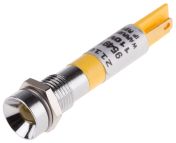
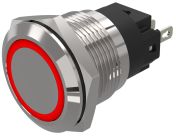
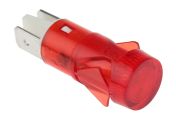
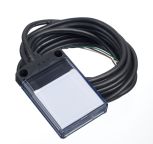
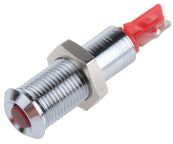
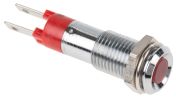
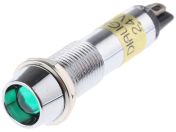
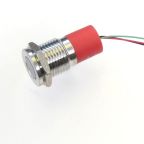
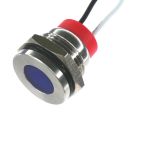
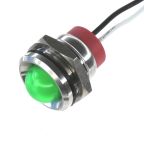
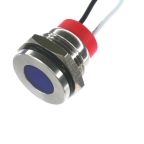
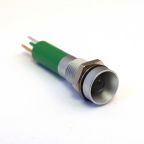
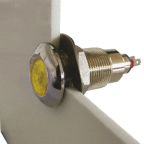
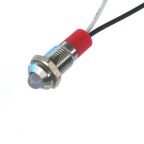
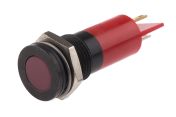
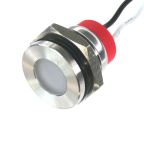
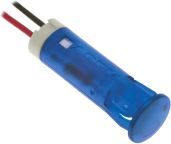
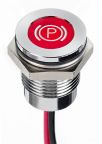
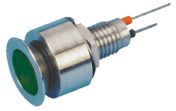
Panel Mount Indicators
A panel mount indicator is a compact indicator light or indicator lamp that fit into a cut-out on a panel and provide simple, reliable status indication (for example, power on, fault, run/stop, alarm, or mode). These essential LED indicators are widely used across industrial machinery and control panels in Malaysia, where quick visual feedback helps operators monitor system health and respond quickly to changes.
Most modern panel indicators use LEDs, but incandescent and neon options are still available for legacy systems or specific applications. They are available in various sizes and mounting styles, including rear panel mount designs. RS Malaysia supplies a wide range of panel mount LEDs and lights of excellent quality to suit any application.
LED & Non-LED Indicators
Indicators are primarily used as warning or guidance signals, giving operators at-a-glance status information without needing instruments or diagnostic tools. They are available in many sizes and types to suit different panel layouts, viewing distances, and environmental conditions.
LED indicators are the most common because they are energy efficient, mechanically robust, and often rated for tens of thousands to 100,000 hours of operation. Incandescent and neon panel indicators still have a place where a particular visual appearance, warm colour tone, or in older panels where specific AC mains operation characteristics dictate the use of older light technologies. RS PRO and other leading brands offer both LED panel mount indicators and non‑LED versions in a wide range of colours and mechanical formats.
Key Features and Options
Panel mount indicators are available with several key variations that affect performance, compatibility, and usability.
- Light Source: Most indicator lamps for panels use LEDs as a light source as they offer high brightness, very long service life, and low power draw compared to incandescent and neon lights.
- Voltage and Current Ratings: LED panel mounts can span from low-voltage DC (for example, 2 V dc, 12–24 V ac/dc) up to mains AC voltages such as 110 V or 230 V, often with integrated resistors or driver circuitry for direct connection.
- Colours and Multicolour: Panel indicator lamps come in standard colours (red, green, yellow/amber, blue, white) and multicolour versions (for example, red/green) to represent different system states using a single device.
- Mechanical Fit: Common mounting-hole sizes for panel mount indicator lights range roughly from 4 mm up to 30 mm, with body styles including flush, domed, and prominent lenses for specific viewing angles and aesthetics.
- Termination: Connection options for panel mount LEDs include solder lugs, Faston/blade terminals, screw terminals, and pre-fitted lead wires to match wiring preferences and assembly methods.
- Protection Ratings: Many industrial panel indicators offer sealing to IP65, IP67, or even IP69K for washdown and harsh environments, helping maintain reliable operation under dust, moisture, and cleaning processes.
Benefits of LED Panel Mount Indicators
LED panel indicators provide several advantages over traditional lamp technologies. Some of them include:
- Long service life, reducing replacement frequency and maintenance downtime.
- Low power consumption to cut energy use and minimise heat in crowded panels.
- High brightness and clear visibility, even in bright industrial or outdoor environments.
- Wide choice of colours and multicolour options to support standardised status and alarm coding.
- Excellent vibration and shock resistance, making them suitable for machinery and mobile equipment.
- Fast switching response for accurate and timely indication of status changes.
- Compact, robust construction with a choice of different IP ratings for dusty, wet, or washdown environments.
What Are the Uses of an LED Indicator?
Panel mount indicators are used wherever a simple visual cue is required to show system or circuit status. They are commonly wired to show conditions such as mains present, motor running, system health, fault active, emergency stop, or specific operating modes on machinery and process equipment.
LED indicators can also be mounted on PCBs, integrated into push buttons or selector switches, or used as status lights on vehicles and charging stations, leveraging their long life and low current draw. Because LEDs have a long service life, they stay operational without needing consistent maintenance, and are ideal for indicating states in equipment that may remain untouched for years while needing continuous visual monitoring.
Types of Panel Mount LED Indicators
Single-Colour vs. Multi-Colour
Single-colour LEDs display one fixed light (e.g., red, green, or amber) to convey a simple, binary status like ON/OFF, OK/FAULT, or RUN/STOP. Multi-colour (often bi- or tri-colour) indicators can switch between multiple colours (for example, green for normal and red for fault) to convey complex status information using a single indicator lamp, thereby reducing the overall number of physical indicators needed on a control panel.
Different Mounting Styles
Panel mounting is generally split between front panel installation and rear panel mounting. Rear panel mount types often offer a superior aesthetic and better resistance to vandalism, as the main body of the indicator is secured behind the panel. Front panel mount indicators are simpler to install and maintain, making them popular for quick retrofits.
LED Indicator Bezel and Lens Options
The bezel and lens determine the aesthetic and viewing angle of the indicator lamp. Prominent bezels (domed lenses) are used where maximum visibility from acute angles is needed. Flush bezels offer a cleaner look and are easier to wipe clean, making them preferred in sterile or food processing environments. Lens finishes can range from clear (for an intense light) to frosted (to diffuse the light for wider viewing).
Standard Sizes and Mounting Hole Diameters
Panel indicators are available in standard mounting hole diameters, typically ranging from 4 mm up to 30 mm. The miniature 4 mm indicator light is used for high-density panel layouts, while the large 30 mm size is often chosen for high-visibility warning lamps on heavy machinery, where visual impact is critical.
Voltage and Current Specifications
LED indicators require specific voltages (e.g., 5V, 12V, 24V DC, or mains voltage AC). Most industrial LED indicators use low-voltage DC (12V or 24V) to integrate directly with control circuitry. Panel mount LED models that connect directly to mains voltage (110V or 240V AC) are also available, which can simplify wiring by eliminating the need for external power supplies.
IP Ratings and Environmental Protection
Panel mount LEDs are available with various Ingress Protection (IP) ratings. Indicators rated IP65 are protected against dust and low-pressure water jets, making them suitable for most workshop environments. IP69K rated panel indicators, however, can withstand high-pressure, high-temperature washdowns, a requirement for hygiene-critical food and beverage industrial facilities in Malaysia.
Colour Options and Their Uses in Panel Indicators
Common LED Colours and Their Typical Use Cases
The most commonly used LED indicator colours are defined by their level of urgency:
- Red: Signifies danger, emergency, failure, or an immediate stop/fault condition requiring intervention.
- Yellow/Amber: Indicates caution, warning, or a deviation from the norm that needs attention but is not yet critical.
- Green: Denotes safe, normal operation, ready status, or an ON condition.
- Blue: Used for mandatory action, communication links, or a special function that falls outside the standard warning types.
- White/Clear: Generally used for power ON status, neutral conditions, or general illumination of the control panel.
Colour Coding Standards and Industry Conventions
Standards bodies like the IEC (International Electrotechnical Commission) define the meaning of indicator light colours to ensure universal safety understanding. Adhering to these conventions is critical in industrial environments, as it prevents operator confusion and ensures that a red indicator lamp always means the same thing, regardless of the machinery's manufacturer.
Uses of Specific Colours in Different Environments
The specific application of a colour depends on the environment, but the underlying meaning remains constant. In industrial machinery, red is reserved for immediate intervention (e.g., thermal shutdown). Conversely, in pharmaceuticals or food processing, a green panel indicator might signify that a door is correctly sealed, or a batch is ready. The light colour quickly conveys the necessary action or status within that operational context.
How Colour Choice Affects Visibility
The choice of colour directly affects the visibility and impact of the indicator light. Red and green LEDs are highly effective under low light conditions and are universally understood. Blue is often chosen for special warnings due to its high contrast against many backgrounds. When choosing a panel mount LED, one must consider the ambient light environment to ensure the indicator lamp stands out effectively without causing glare.
Specialised Colours
Besides the primary colours, alternative LED colours are available for the panel. Orange is often used interchangeably with yellow or amber for caution signals. Clear or white lights are frequently used to provide neutral status information or general panel illumination. Specialised indicator colours allow engineers to create more complex coding schemes without cluttering the panel with too many individual light sources.
LED Indicator Lifespan and Maintenance Tips
LED Lifespan and Operational Factors
The operational lifespan of a modern LED indicator or indicator light is substantially longer than that of traditional incandescent lamps, typically ranging from 50,000 to 100,000 hours. This exceptional longevity means the panel indicator will often outlast the equipment it is mounted on. The primary factor affecting this lifespan is heat; running the LED at high currents or in high ambient temperatures drastically accelerates lumen depreciation (dimming).
Proper installation and ventilation are essential for maximising the LED's life. When installing a rear panel mount indicator, ensuring there is sufficient airflow around the mounting area helps dissipate heat. Preventing overheating is critical, as excess thermal stress can quickly reduce the effective operating hours of the light source.
Maintenance Routines
Regular, simple maintenance ensures consistent performance and reliability of your panel mount indicators:
- Regular Cleaning: Carefully clean the lens and bezel of the indicator lamp to remove dust and dirt. A clean surface ensures maximum visibility and prevents ambient heat absorption.
- Inspection for Loose Connections: Periodically inspect the wiring and terminals for loose connections, especially in high-vibration environments common in industrial settings. Secure connections ensure a stable current supply to the LED.
- Checking for Signs of Overheating or Damage: Look for discoloration on the indicator's housing or a noticeable dimming of the light. Either sign suggests thermal stress or impending component failure.
Environmental Impact on Longevity
Environmental factors directly impact the durability of the panel indicator. High ambient temperature and vibration degrade internal components over time. While high IP-rated models protect against dust and humidity, long-term exposure to these elements, particularly in Malaysian industrial settings, still reduces longevity.
Extending Lifespan and Replacement Tips
- Using Compatible Drivers: Always power the LED indicator with a compatible voltage source or constant current driver as specified by the manufacturer.
- Operating Below Maximum Ratings: For non-critical applications, operating the indicator light slightly below its maximum rated current significantly extends its lifespan and stability.
- Avoiding Frequent On/Off Cycles: While LEDs handle cycling well, minimising unnecessary rapid switching reduces stress on the driving circuitry.
- Replacing for Reliability: For critical systems, replace the LED indicator once its light output falls below 70% of its initial brightness (L70). Replacing a dim indicator lamp proactively ensures the visual warning remains clearly legible for optimal system reliability.
Common Industrial Applications of Panel Mount LED Indicators
Panel mount LED indicators are crucial components in virtually every industrial sector, providing immediate visual feedback that dictates operator action and system safety. They serve as reliable indicator lights on control panels in demanding environments across Malaysia.
- Industrial Machinery: Panel indicators are fundamental for conveying machine status (run, stop, or fault), alarm lighting, and process steps on factory floor equipment and manufacturing control panels.
- Automotive Manufacturing: Used extensively in assembly line control panels, automated welding jigs, and quality control stations to confirm sequence completion and error status.
- Aerospace: LED indicators serve as critical indicator lamps on ground support equipment, testing rigs, and flight simulation panels, where reliability is non-negotiable.
- Marine and Offshore: Used on ship bridges, engine rooms, and oil rigs for status monitoring of pumps, alarms, and communication systems. These applications often require robust, IP67 or IP68 rated panel mount LEDs.
- Oil and Gas: Panel indicators are integrated into drilling panels, pump control systems, and remote monitoring stations for critical warning and flow status.
- Construction and Heavy Equipment: Used in operator cabs and external equipment panels on cranes, excavators, and generators for operational and safety status lights.
- Transportation (Rail, EV Charging Stations): Rail signalling uses high-visibility LED systems, while EV charging stations use indicator lamps to show status (available, charging, fault) clearly to users.
- Food and Beverage Processing: Requires highly sealed, washdown-proof LED indicators for hygiene control on conveyor systems, mixing tanks, and bottling machinery.
Your Trusted Panel Mount Indicator Supplier, Manufacturer, and Distributor in Malaysia
RS Malaysia is a trusted supplier and distributor of comprehensive panel mount indicator solutions. We offer a wide range of LED indicators, indicator lamps, and panel mount lights sourced from reputable brands like RS PRO, CML Innovative Technologies, and APEM, ensuring reliable visual feedback for every machine panel and industrial system.
Beyond panel mount indicators, we also provide a wide array of other indicators and indicator components, such as indicator lamps, indicator lenses, and indicator lampholders, catering to all your panel lighting and visual signalling requirements.
Explore our user-friendly online site for the full range of products and have them shipped to your door at your convenience. With our flexible delivery options, you can receive your products precisely when needed. For comprehensive details on delivery times and fees, please consult our Delivery page.