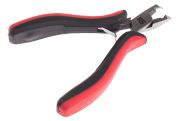
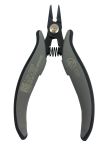
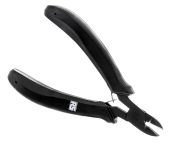
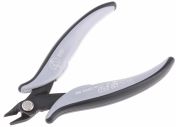
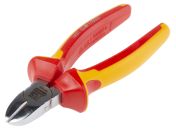
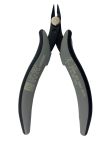
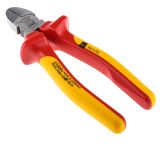
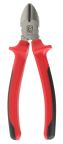
Cutters
Cutters are essential handheld tools typically consisting of two levers connected by a fulcrum near the jaw end. This design provides a mechanical advantage for gripping, bending, and, most importantly, severing materials. Cutters come in a various types and sizes, broadly categorised into locking, adjustable, and non-adjustable models, each designed for specific cutting tasks and levels of control.
In order to ensure user comfort and safety, most models of wire cutters and cable cutters feature insulated handles, providing a firm and comfortable grip while protecting the user. Some electrical cutters also meet VDE insulation standards, offering specialised protection when working with potentially live electrical equipment.
What Are Cable Cutters Used For?
Cable cutters are primarily designed for cleanly and efficiently cutting electrical leads and cables, especially those made of copper or aluminium. While their main function is cutting, some variations of cutters can perform other actions; for instance, Lineman's wire cutters function as pliers, including a small flat section along the jaw for gripping objects alongside their main cutting surface. The specific application, such as simple wire trimming or heavy-duty steel cutter tasks, will dictate which type of cutter is best to use.
Types of Cutters
Used by professionals and DIYers alike, there are many types of cutters designed for specific applications:
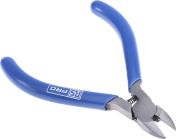
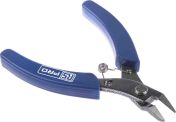
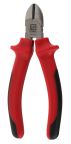
- Diagonal Cutters: Also known as side cutters or dikes, these versatile tools are ideal for gripping, splicing, or cutting wires, as well as stripping wire insulation. Side cutters operate by indenting and wedging the wire apart, providing a cleaner cut than simple scissors or a knife.
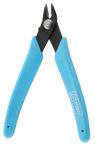
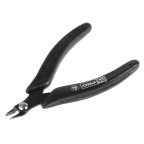
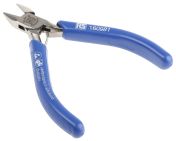
- End Cutters: Referred to as nippers sometimes, end cutters are used to sever wire, springs, nails, bolts, and rivets. They feature an almost flat-bladed head, which allows the cut to be made very close against the surface without causing damage.
- Wire Rope Cutters: These cutters are specifically engineered for the clean shearing of wire rope without fanning or fraying the strands. The jaws pull the wire rope into them and firmly trap the cable before executing a clean cut.
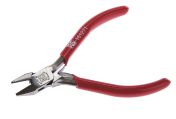
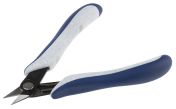
- Snipe Nose or Needle Nose Cutters: Designed to precisely hold fine objects and cut them cleanly, these wire cutters prevent damage that the pressure from larger jaws might cause to delicate materials.
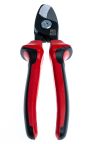
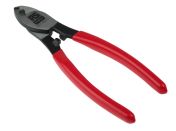
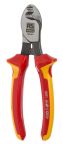
- Cable Cutters or Wire Cutters: These cutters are most commonly used in electrical applications and are specifically designed to be used with electrical cables and wires. Wire cutters may have some form of covered handle for user comfort; however, it is important not to confuse standard plastic or rubber coatings with certified VDE electrical insulation.
- Linesman Cutters: Popular in communications and electrical tasks, these feature a short gripping surface toward the tip of the jaw, with a cutting surface extending back to the fulcrum. They are ideal for cutting leads or stripping insulation.
How to Choose the Right Cutter for Your Task
Selecting the correct cutter tool is paramount for achieving precise results and maintaining safety.
- Material Consideration: Consider the material to be cut (e.g., copper wire, flexible cable, hard steel, or fabric) and choose a cutter specifically designed for that material type to avoid blade damage or poor cuts.
- Blade Material and Quality: Check the cutter blade material and quality; harder materials like tungsten carbide last longer and maintain sharpness under demanding use.
- Handle Ergonomics: Look for cutters with ergonomic, non-slip handles for comfort, reduced hand fatigue, and better control, particularly during extended use.
- Blade Type: Choose the cutter blade type based on the task: flush cutters for close trimming, angled blades for accessing tight spaces, or straight edges for general-purpose use.
- Size Match: Match the cutter size to the required precision and the thickness of the material being cut. Using a small wire cutter on thick cable can damage the tool.
- Specialised Features: Consider specialised features like spring-loaded handles, which enable easier, faster repetitive use, or locking mechanisms for safety.
Safety Precautions When Using Cutters
Safety is non-negotiable when working with sharp instruments like cutters. Following these precautions diligently can significantly reduce the risk of accidents and injury:
- Wear Appropriate PPE: Always wear personal protective equipment (PPE) like cut-resistant work gloves and safety goggles to shield hands and eyes from sharp edges and flying debris.
- Match Tool to Task: Choose the right cutter for the specific material and task to avoid unnecessary strain, blade damage, and potential accidents. Do not use a wire cutter on hardened steel unless it is rated for it.
- Inspect Before Use: Inspect cutters before each use to ensure blades are sharp and undamaged, and that handles and insulation are intact.
- Keep Clear: Keep fingers and all body parts well away from the cutting path.
- Safety Guards: Use cutters equipped with automatic blade retraction or safety guards when available.
- Stable Posture: Cut away from your body and maintain a stable posture and footing throughout the cutting action.
- Clear Work Area: Work in a clean, well-lit area free from distractions or obstacles.
Cutter Maintenance and Sharpening Tips
Proper maintenance is essential to extend the lifespan of your tool and ensure it delivers reliable performance every time.
- Regular Sharpening: Sharpen cutters regularly when edges start to dull, using appropriate sharpening stones or files to maintain cutting efficiency.
- Cleanliness: Clean cutters after each use to remove debris, resin, or dirt that can affect blade performance and accelerate corrosion.
- Correct Technique: Use the correct sharpening angle and technique to maintain the original blade shape and prevent damage to the cutting edge.
- Avoid Overheating: Avoid overheating cutters during sharpening, as excessive heat can compromise and soften the blade's hardness.
- Lubrication: Lubricate cutter pivot points if applicable to keep moving parts smooth and prevent rust.
- Proper Storage: Store cutters upright or in protective cases to prevent damage to the blades.
- Inspection: Inspect cutters frequently for wear, chipping, or damage, and replace them immediately if their integrity is compromised.
Industrial Applications of Cutters
Cutters are versatile and indispensable tools across numerous industrial environments, providing essential safety and efficiency for material preparation and installation:
- Agricultural Industry: Cutters are used for cutting fencing wire, heavy cable, and specialised materials in machinery maintenance and structural repairs.
- Contract Manufacturing: Cutters are essential for precise trimming and cutting of components, leads, and assembly material.
- Military Industry: Highly precise and reliable, cutters are essential for the precise trimming and cutting of components, leads, and assembly materials during the manufacturing process.
- Construction Industry: Steel cutters and cable cutters are used in the construction industry to cut and shape various metal components and heavy-duty electrical cables on-site.
- Automotive Manufacturing: Used extensively for stripping, cutting, and trimming wiring harnesses and materials during vehicle assembly and repair.
- Musical Instruments Industry: Precision wire cutters are used by technicians for fine work on instrument strings, wiring, and delicate internal components.
- Medical Equipment Industry: Highly precise, clean-cutting cutters are vital for preparing components and leads in the assembly and repair of sensitive medical devices.
- Electronics Industry: Wire cutters and electrical cutters are standard issue for technicians for trimming leads, preparing circuits, and general electronics assembly.
Shop Cutters from RS Malaysia
RS Malaysia provides a wide selection of high-quality wire cutters as well as companion tools such as cable crimping machines andcable ties to cater to your needs. Whether you require a VDE-insulated electrical cutter for safety, a heavy-duty steel cutter for fabrication, or precision wire cutter pliers for electronics, you can rely on our curated range to deliver professional results. We stock products from world-leading brands, like Knipex, SAM, Facom as well as our own dependable RS PRO, ensuring superior performance and durability.
Ordering from RS Malaysia is straightforward: simply browse our user-friendly website, filter by cutter type, size, or material, and add your chosen tool to your cart. We offer efficient and reliable delivery for all orders across Malaysia. For comprehensive details on our delivery services and any associated fees, please refer to our dedicated Delivery page on our website.
For more information on wire cutters, cable cutters, general cutter types and best practices, read our comprehensive guide here.