Adjustable Feet
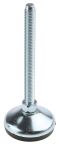
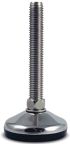
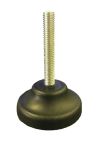
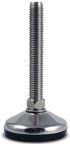
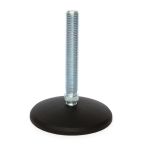
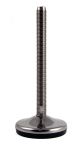
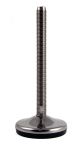
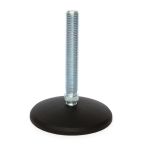
Adjustable feet are essential components used for levelling and supporting structures, machinery, furniture, and display stands that require vertical height adjustments to ensure proper function and stability. They are available in a variety of base sizes and thread sizes to suit different applications. Generally, larger thread sizes and base diameters provide greater weight-bearing capacity and improved stabilisation.
What Are Adjustable Feet Used For?
Adjustable feet are used as stability tools in machinery to distribute weight evenly and ensure secure positioning. They are widely used in production environments such as food manufacturing, pharmaceutical, cosmetics, and packaging industries, where precise alignment and balance are critical. Common applications include:
- Levelling machine mounts in food manufacturing, pharmaceutical, and cosmetics industries where hygiene is essential.
- Conveyor belt systems in packaging facilities where precision and stability are required.
- Furniture, cabinetry, and display stands where adjustable furniture feet or furniture leveling feet enhance usability and stability.
- Heavy-duty machinery installations where anti-vibration leveling feet reduce operational noise and mechanical stress.
Where Can Adjustable Feet Be Used?
Adjustable feet are versatile components suited for a wide range of environments and purposes. Here are practical examples of how adjustable feet can be applied:
- Height Adjustment: The threaded design allows you to raise furniture, machinery, or levelling stands for better stability.
- Uneven Surfaces: Articulating or tilting feet help level equipment installed on irregular flooring or sloped environments.
- Vibration Control: A rubber base foot or adjustable rubber feet helps reduce vibrations and noise as rubber provides a great level of shock absorption.
Portability: For portable stalls and equipment stands, feet allow easy reconfiguration and repeated adjustments.
Types of Adjustable Feet
Adjustable feet are available in different designs to suit a wide range of applications:
- Fixed Feet: Designed with a rigid base, they can be adjusted vertically but not laterally. Ideal for general-purpose, stationery applications.
- Articulating Feet: Allow a deviation of up to 8°, making them suitable for balancing machinery or structures installed on uneven surfaces.
- Tilting Feet: Equipped with ball joints between the base and thread, these provide up to 20° of articulation, making them effective for applications where height variation is significant.
Key Benefits of Adjustable Feet
Adjustable feet provide a range of advantages across industrial, commercial, and furniture applications:
- Precision Levelling: Enables accurate height adjustments on uneven floors, ensuring machinery and furniture remain stable and properly aligned.
- Enhanced Stability and Vibration Reduction: Using anti-vibration leveling feet helps minimise operational noise and protects sensitive equipment from excessive movement.
- Durability: Made from high-quality, corrosion-resistant materials such as stainless steel, aluminium, and reinforced plastics, ensuring long service life even in demanding environments.
- Quick Installation and Reconfiguration: Foot leveling systems are easy to install and adjust, making them suitable for machinery, cabinets, and adjustable feet for furniture that require frequent repositioning.
- Equipment Protection: By distributing loads evenly, industrial adjustable feet prevent tilting, rocking, and long-term damage caused by uneven weight distribution or harsh environmental factors.
Materials and Construction of Adjustable Feet
Adjustable feet are manufactured from different materials to suit specific applications and environments:
- Stainless Steel: Corrosion-resistant and hygienic, ideal for food processing, pharmaceuticals, and cleanroom environments.
- Plastic (Nylon or Reinforced Polymer): Lightweight, cost-effective, and non-marking, commonly used for furniture, displays, and light equipment.
- Aluminium: Strong yet lightweight, offering a balance of durability and portability.
- Zinc-Plated Steel: Provides enhanced corrosion resistance at a lower cost, suitable for general industrial use.
- Mild Steel: Economical and durable for standard applications, often used with protective coatings to increase longevity.
Installation Guidelines for Adjustable Feet
Proper installation of foot leveling systems ensures maximum stability and extends product life. Follow these guidelines when installing:
- Prepare the Base: Clean the equipment’s base or mounting surface thoroughly to remove dirt, oil, and contaminants. Ensure the installation area is as level and solid as possible before attaching the feet.
- Choose the Right Feet: Select adjustable rubber feet, anti vibration leveling feet, or other types that suit the weight capacity, load requirements, and environmental conditions of your application.
- Secure Installation: Screw or bolt the adjustable feet into place using appropriate tools, ensuring they are firmly fixed to the equipment or furniture base.
- Level Adjustment: Adjust each foot evenly to level the equipment, avoiding tilting or rocking. Use a spirit level to verify that the equipment is perfectly level across all sides. Proper alignment ensures accuracy in operations and reduces vibration.
- Lock Adjustments: Tighten any locking nuts, jam nuts, or securing mechanisms to prevent the feet from loosening over time. For large or industrial equipment, use bolt-down adjustable feet to provide additional anchoring and safety.
- Add Anti-Slip Support (if needed): For smooth or slippery surfaces, consider incorporating anti-slip pads, rubber bases, or vibration-damping mounts to improve grip and reduce movement.
- Regular Re-checks: Periodically inspect and re-adjust the feet if surfaces settle or if equipment is frequently repositioned.
Maintenance and Longevity of Adjustable Feet
To ensure the long-term reliability of industrial adjustable feet, regular maintenance is recommended:
- Inspect Regularly: Check for wear, cracks, corrosion, or damage to both the feet and their components.
- Keep Clean: Remove dirt, dust, and chemicals that may degrade materials or interfere with smooth adjustment.
- Lubricate Threads: Apply suitable lubricants to threaded parts to prevent rust and ensure easy height adjustment.
- Check Fasteners: Retighten locking nuts or bolts periodically to maintain secure positioning.
- Replace Worn Parts: Swap out damaged pads, rubber bases, or other components promptly to maintain safety and stability.
- Avoid Overloading: Do not exceed the rated weight capacity of the adjustable feet, as this can cause structural failure and equipment instability.
Regular care not only extends the service life of adjustable feet for furniture and machinery, but also safeguards the equipment they support.
Safety Considerations When Using Adjustable Feet
For safe and reliable use of adjustable feet, always keep these safety guidelines in mind:
- Correct Load Rating: Select feet based on the equipment’s load requirements to prevent collapse or damage.
- Stable Surfaces: Install only on solid, clean, and debris-free surfaces to avoid slipping or instability.
- Secure Locking: Always tighten adjustment nuts or locking mechanisms to prevent movement during operation.
- Anti-Slip Features: Use adjustable feet with rubber or anti-slip bases in areas with smooth flooring or high vibration.
- Surface Limitations: Avoid installing on soft or excessively uneven surfaces without proper support, as this can compromise stability and safety.
Applications of Adjustable Feet in Different Industries
Industrial adjustable feet and furniture leveling feet are used across a vast range of sectors for their versatility and stabilising properties.
- Manufacturing and Machinery: Leveling machine mounts are essential for nearly all industrial machinery, including CNC machines, lathes, conveyor systems, and production line equipment. Proper foot leveling ensures operational accuracy, reduces vibration, and extends the life of the machinery.
- Food Processing: This industry requires hygienic machine leveling mounts and leveling hygienic feet. Typically made from stainless steel and designed with smooth, easy-to-clean surfaces, they prevent the buildup of bacteria and comply with strict food safety standards.
- Pharmaceutical and Biotechnology: Similar to the food industry, pharmaceutical labs and production facilities use clean-design, stainless steel hygienic levelling feet on lab equipment, cleanroom furniture, and machinery to maintain sterile, contaminant-free environments.
- Electronics and Technology: Adjustable feet are used to support and level server racks, large electronic enclosures, and sensitive testing equipment. They provide a stable, vibration-dampened platform that is crucial for the proper functioning of electronic components.
- Furniture and Cabinetry: Adjustable feet for furniture are widely used on industrial workbenches, office desks, retail displays, and heavy cabinetry. These adjustable furniture feet allow for a perfectly stable and professional installation on any type of flooring.
Buy Adjustable Feet and Levelling Stands from RS Malaysia
RS is your trusted supplier and distributor of high-quality adjustable feet and levelling stands in Malaysia, offering a wide selection of solutions from leading brands like Nu-Tech Engineering, Serious, and Elesa. Our competitively priced inventory supports a variety of needs, from plastic adjustable feet for office furniture to heavy-duty stainless steel leveling machine mounts for industrial use.
In addition to our range of foot leveling solutions, we also stock all the essential hardware you need for your project, including monitoring relays, dial torque wrenches, and wire cutter tools.
Order your adjustable feet and accessories online today and enjoy fast delivery across Malaysia. For details on how to place your order, estimated delivery times, and service fees, please refer to our dedicated Delivery Page.
Related links
- Anti Vibration & Levelling Components
- Anti Vibration Mounts
- Nu-Tech Engineering M12 70mm Dia. Stainless Steel Levelling Adjustable Foot, 1000kg Static Load Capacity 10° Tilt Angle
- RS PRO M16 Rubber Adjustable Foot, 1500kg Static Load Capacity
- RS PRO M12 Stainless Steel Adjustable Foot, 1000kg Static Load Capacity 30° Tilt Angle
- Bosch Rexroth 44mm Dia. Steel Levelling Adjustable Foot
- Serious 16mm 98mm Dia. Rubber Levelling Adjustable Foot, 1000kg Static Load Capacity
- Serious 10mm 68mm Dia. Rubber Levelling Adjustable Foot, 250kg Static Load Capacity